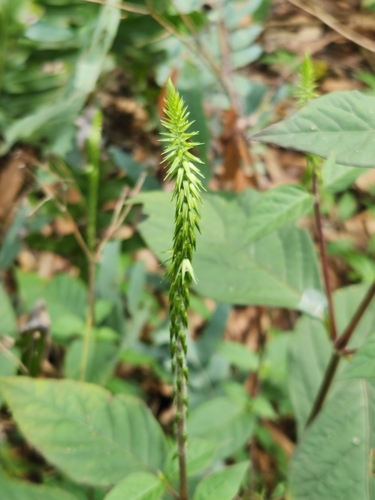
Atriplex saccaria
S. Watson
Sack saltbush

(c) wingedchimera, some rights reserved (CC BY-NC), uploaded by wingedchimera
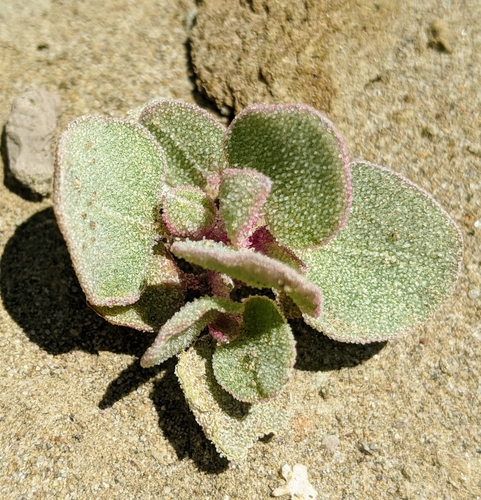
(c) groundfaller, some rights reserved (CC BY-NC), uploaded by groundfaller
What to Eat
Edible parts: Leaves, Seeds
Edible Parts: Leaves Seed Edible Uses: Leaves were used as a boiled green by the Hopi. Expect saline/oxalate load—boil and use moderately. Edibility rating: 3/5 (serviceable potherb when well cooked) [2-3]. Parts used & preparation. Leaves: Strip young foliage; chop and boil (one or more changes of water); use like a salty spinach. Seeds: Not specifically reported in your notes; if attempted, prepare as for other Atriplex (thresh/winnow/grind, then boil) [2-3]. Leaves and young plants - cooked and used as greens. A salty flavour. Seed - cooked. Used in piñole or ground into a meal and used as a thickener in making bread or mixed with flour in making bread. Traditional uses. Hopi potherb. Harvest tips. Favor tender apical leaves; pre-boil and discard water if strongly salty/irritating [2-3].
Known Hazards
Where to Find It
It is a temperate plant.
North America, USA,
How to Identify
Annual orache growing to 0.3 m tall. Monoecious (both male and female flowers on same plant); wind-pollinated. Tolerates light sandy and medium loamy soils, well-drained preferred, and survives in nutritionally poor, mildly acid, neutral, very alkaline, and saline soils. Requires full sun; handles both drought and moist conditions. Hardy to UK zone 6.
How to Grow
An annual and growing primarily in the temperate biome. Season & phenology. Blooms late summer–autumn; leafy growth in warm season.b. Identification notes. Slender herb with conspicuous inflated bractlets (“sacks”) enclosing the utricles—diagnostic look among oraches. Habitat & distribution. Alkaline benches, fans, and disturbed salty soils of the Intermountain West. Growing conditions & cultivation. Full sun; thrives in high-pH, saline, droughty soils; avoid excess water/fertility. Hardiness. Annual to short-lived perennial; reseeds reliably in USDA 5–9. Size & habit. 20–60 cm, branching tufts. Weed potential. Low–moderate. Stays in saline microsites; not generally a nuisance elsewhere. Lookalikes & cautions. Other small Atriplex; standard oxalate/nitrate precautions.
Propagation: Propagation. Seed; shallow sow; fall or early spring best. Soak 12–24 h to leach salts before sowing.
Medicinal Uses
None known
Other Uses
None known Special Uses
Wikipedia
Annual orache growing to 0.3 m tall. Monoecious (both male and female flowers on same plant); wind-pollinated. Tolerates light sandy and medium loamy soils, well-drained preferred, and survives in nutritionally poor, mildly acid, neutral, very alkaline, and saline soils. Requires full sun; handles both drought and moist conditions. Hardy to UK zone 6.
Notes
There are about 100-300 Atriplex species. They have also been put in the family Chenopodiaceae.
Names & Synonyms
Atriplex saccaria — Sack Saltbrush
References (2)
- Beckstrom-Sternberg, Stephen M., and James A. Duke. "The Foodplant Database." http://probe.nalusda.gov:8300/cgi-bin/browse/foodplantdb.(ACEDB version 4.0 - data version July 1994)
- Plants for a Future database, The Field, Penpol, Lostwithiel, Cornwall, PL22 0NG, UK. http://www.scs.leeds.ac.uk/pfaf/