Mangifera monandra
Merr.

(c) Jester Lagmay, some rights reserved (CC BY-NC), uploaded by Jester Lagmay

(c) Jester Lagmay, some rights reserved (CC BY-NC), uploaded by Jester Lagmay

(c) Jester Lagmay, some rights reserved (CC BY-NC), uploaded by Jester Lagmay
What to Eat
Edible parts: Fruit
The fruit are eaten unripe.
Where to Find It
A tropical plant. They grow in the humid tropics. It grows in lowland primary forest.
Asia, Pacific, Philippines, SE Asia,
How to Identify
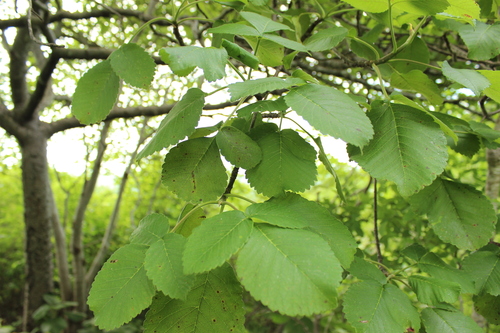
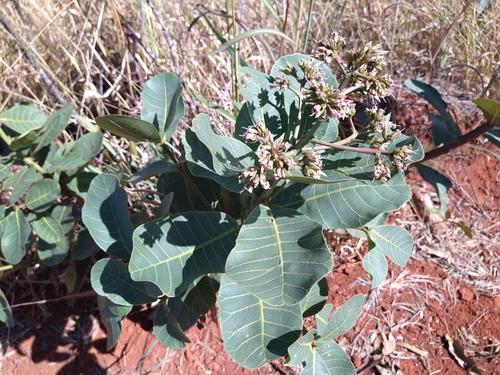
A tree. It grows up to 15 m tall. The leaves are broadly oblong. They are 8-19 cm long by 2.5-8 cm wide. They are rough. They taper to a short tip. The base can be wedge shaped. The leaf stalk is 1-5 cm long. The flowering stalks are 10-20 cm long. The flowers occur loosely and with almost no stalk. The flowers are white. The fruit are oval and unequal on each side. They are 3.5 cm long by 2 cm wide. The fruit only have a little flesh.
How to Grow
A plant of the moist, tropical lowlands. It is found in areas where there is year-round rainfall.
Other Uses
The heartwood is greyish to light red; it is not clearly demarcated from the very thick band of light coloured sapwood which has a yellowish tinge. The texture is moderately fine; the grain straight; the surface is lustrous; there is no distinctive odour or taste. The wood is fairly light in weight; moderately hard, not very durable, especially outdoors. It seasons easily, works well and takes a very high polish. It is used for interior finish, furniture and cabinet work.
Wikipedia
Source ↗Mangifera monandra is a species of plant in the family Anacardiaceae. It is endemic to the Philippines. It is threatened by habitat loss.
Production
In the Philippines trees fruit June to July.
Notes
There are about 40 Mangifera species. An unresolved name in The Plant List.
Names & Synonyms
Pangi, Malapaho, Kalamansanai, Paglumbayan
References (1)
- PROSEA (Plant Resources of South East Asia) handbook, Volume 2, 1991, Edible fruits and nut. p 203