Bauhinia gilva
(F. M. Bailey) A. S. George
Bauhinia Bean tree
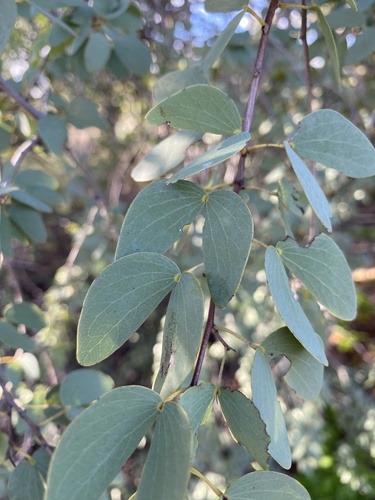
(c) Deborah Metters, some rights reserved (CC BY-NC)
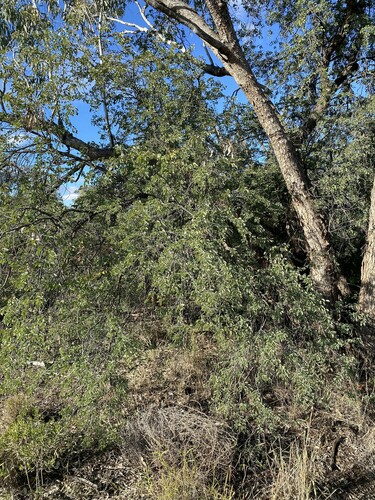
(c) Deborah Metters, some rights reserved (CC BY-NC)
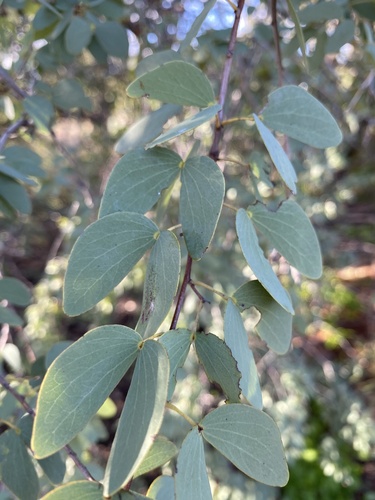
(c) Deborah Metters, some rights reserved (CC BY-NC)
What to Eat
Edible parts: Spice
The plant is used as a spice.
Where to Find It
It is a tropical plant. It grows in woodland and on alluvial flats near creeks. It can be on limestone.
Asia, Australia*, Indonesia, SE Asia,
How to Identify
A tree. It loses its leaves during the year. It has a dense crown. The bark is hard and flaky and dark grey. The leaves have 2 leaflets. They are unequal and oval. They are 14-37 mm long by 6-18 mm wide. The flowers are in groups with only a few flowers. These can be in the axils of leaves or at the ends of branches. The flowers are white or cream and have long petals. The fruit is an oblong pod. It is 5-11 cm long by 2.5-3.5 cm wide and can be curved. There are 1-4 seeds in each pod. The seeds are oblong and 11-15 mm long. They are smooth and shiny brown.
How to Grow
Plants can be grown by seed.
Notes
There are about 250-350 Bauhinia species. Most are in the tropics. Also as Caesalpinaceae.
Names & Synonyms
Bohemia, Pohon bohinia bohemia
References (3)
- Flora of Australia Volume 12, Mimosaceae (excl. Acacia) Caesalpiniaceae. Melbourne: CSIRO Australia (1998) p 164
- Flora of australia 12:197. 1998
- Sukarya, D. G., (Ed.) 2013, 3,500 Plant Species of the Botanic Gardens of Indonesia. LIPI p 152




