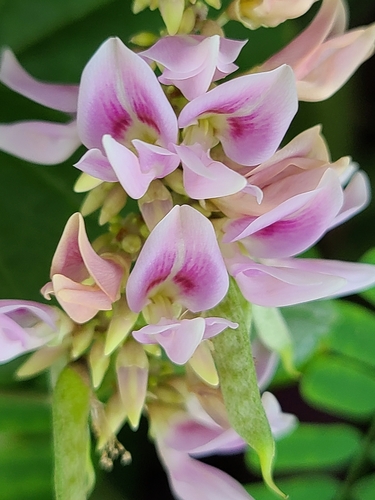
Vigna khandalensis
(Santapau) Raghavan & Wadhwa
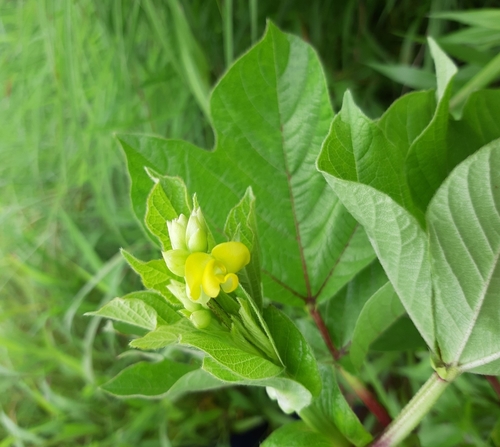
(c) Aditya Gadkari, some rights reserved (CC BY-NC), uploaded by Aditya Gadkari
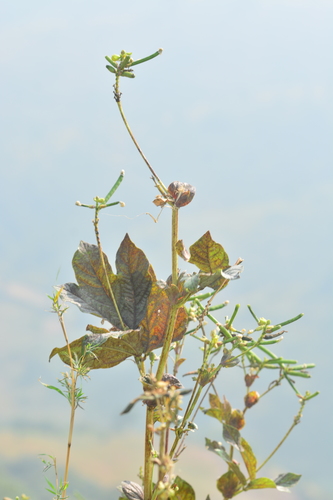
no rights reserved, uploaded by S.MORE
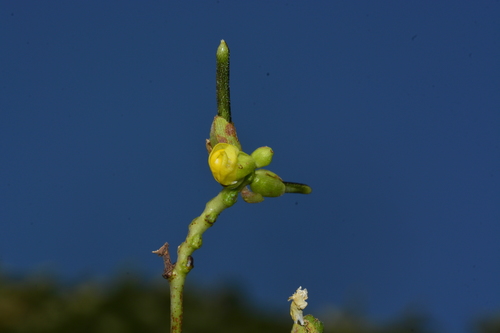
no rights reserved, uploaded by S.MORE
What to Eat
Edible parts: Seeds
Seed - cooked. Eaten in times of famine. The seed contains around 48% carbohydrate, 24% protein and 5.5% lipids. Both unripe and mature seeds of this species are cooked as a vegetable or eaten raw. The cylindrical seedpods are around 59mm long and 5mm in diameter, containing around 8 seeds that can each be up to 4mm ilong and 3mm wide.
Known Hazards
Where to Find It
A tropical plant. It grows in open forest in high rainfall regions.
Asia, India,
How to Identify
An erect annual plant. It grows 1-1.5 m high. The leaves have 3 leaflets. They are large and coarse. The flowers are greenish-yellow. The pods are 6-8 cm long. There are 8-10 seeds.
How to Grow
This species has a symbiotic relationship with certain soil bacteria; these bacteria form nodules on the roots and fix atmospheric nitrogen. Some of this nitrogen is utilized by the growing plant but some can also be used by other plants growing nearby.
Other Information
They are eaten in times of scarcity.
Names & Synonyms
Ran-shevga
References (6)
- Ambasta, S.P. (Ed.), 2000, The Useful Plants of India. CSIR India. p 676
- Dobriyal, M. J. R. & Dobriyal, R., 2014, Non Wood Forest Produce an Option for Ethnic Food and Nutritional Security in India. Int. J. of Usuf. Mngt. 15(1):17-37
- Gunjatkar, N., & Vartak, V.D., 1982, Enumeration of wild edible legumes from Pune District, Maharashtra State. J.Econ. Tax. Bot. Vol 3 pp 1-9
- Kew Plants of the World On line
- Rahangdale, D.R. & Rahangdale, S.S., 2014, Potential Wild Edible Plant Resources from Maharashtra Future Prospects for their Conservation and Improvement. Life Science Leaflets. http://lifesciencesleaflets.ning.com
- Sadhale, A., et al, 1991, Ethnobotanical studies of sacred grove at Ajiwali, Pune district. J. Econ. Tax. Bot. Vol. 15 No. 1 pp 167-172