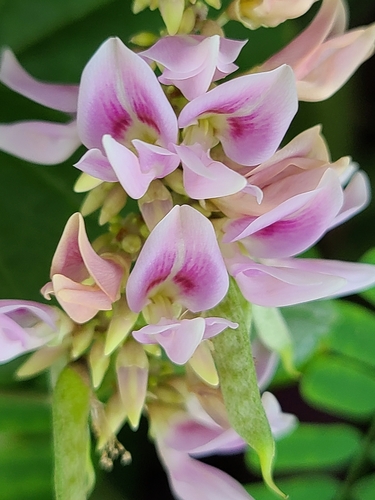
Smithia conferta
Sm.

no rights reserved, uploaded by S.MORE
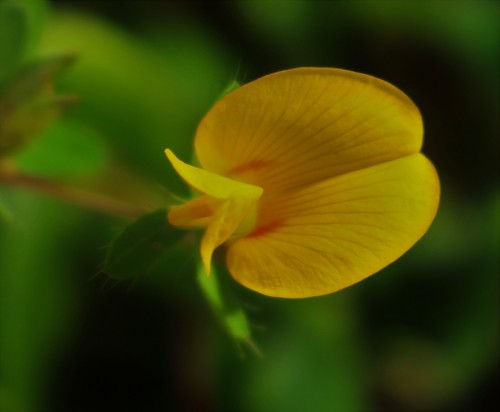
(c) Shiwalee Samant, some rights reserved (CC BY-NC), uploaded by Shiwalee Samant
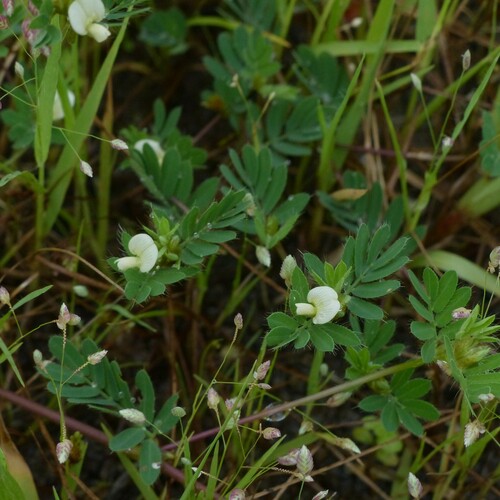
(c) Radha Veach, some rights reserved (CC BY-NC), uploaded by Radha Veach
What to Eat
Edible parts: Leaves
The leaves are cooked and eaten as a vegetable and are popular in traditional cuisine.
Where to Find It
A tropical plant. It grows in grassy fields and on grassy slopes. In southern China it grows in sandy areas and mountain valleys between 200-400 m above sea level.
Asia, Australia, China, Himalayas, India, Indonesia, Laos, Malaysia, Nepal, SE Asia, Sri Lanka, Vietnam,
How to Identify
An annual herb. It grows 50-80 cm high. It is much branched. The leaves have leaflets along the stalk. These end abruptly. There are 2-8 pairs of leaflets. The flowers are yellow and 1 or 2 occur together. They are in the axils of the upper leaves.
Nutrition Score: 2/100
| Part | Moisture | kJ | kcal | Protein | Vit A | Vit C | Iron | Zinc |
|---|---|---|---|---|---|---|---|---|
| Shoots | — | — | 7.7 | — | — | — | — | — |
Wikipedia
Source ↗Smithia conferta is a species of herbaceous annual flowering plant in the family Fabaceae. Native occurrence ranges from South-east China and Indochina (with the exception of central Indochina) to India and North Australia.
Other Information
The leaves are popular.
Notes
There are about 30 Smithia species.
Names & Synonyms
Barki, Boror ara, Elakanni, Loyongmasuria, Miet khit, Motha Kaula, Naichibha, Puimasuria, Thiruthali
References (7)
- Ambasta, S.P. (Ed.), 2000, The Useful Plants of India. CSIR India. p 578
- Dobriyal, M. J. R. & Dobriyal, R., 2014, Non Wood Forest Produce an Option for Ethnic Food and Nutritional Security in India. Int. J. of Usuf. Mngt. 15(1):17-37
- Gunjatkar, N., & Vartak, V.D., 1982, Enumeration of wild edible legumes from Pune District, Maharashtra State. J.Econ. Tax. Bot. Vol 3 pp 1-9
- Nilegaonkar, S., et al, 1985, Nutritional Evaluation of some wild food plants from the Pune and Nieghbouring districts, Maharashtra state: Part 1. J. Econ. Tax. Bot. Vol. 6 No. 3 pp 629-635
- Patil, M. V. & Patil, D. A., 2000, Some More Wild Edible Plants of Nasik District (Maharashtra). Ancient Science of Life Vol. X1X (3&4): 102-104
- A. Rees, Cycl. 33: Smithia no. 2. 1816
- Vartak, V.D. and Kulkarni, D.K., 1987, Monsoon wild leafy vegetables from hilly regions of Pune and neighbouring districts, Maharashtra state. J. Econ. Tax. Bot. Vol. 11 No. 2 pp 331-335