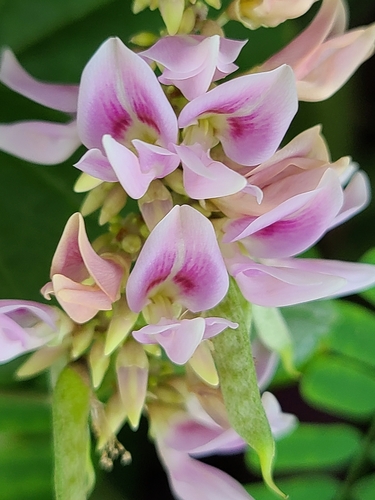
Smithia purpurea
Hook.
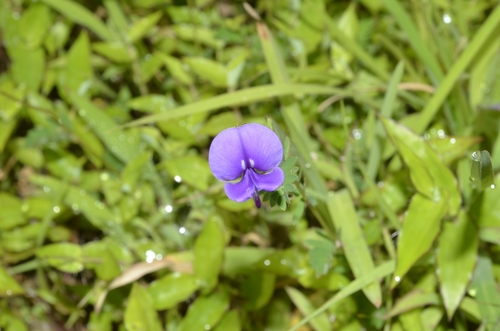
iNaturalist · cc-by-nc
(c) Mayuresh Kulkarni, some rights reserved (CC BY-NC), uploaded by Mayuresh Kulkarni
(c) Mayuresh Kulkarni, some rights reserved (CC BY-NC), uploaded by Mayuresh Kulkarni
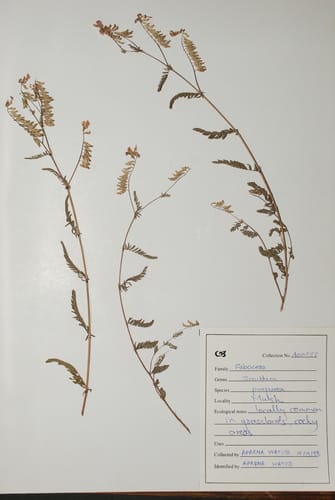
iNaturalist · cc-by-nc
(c) Aparna Watve, some rights reserved (CC BY-NC)
(c) Aparna Watve, some rights reserved (CC BY-NC)
What to Eat
Edible parts: Leaves
The leaves are used as a vegetable either fresh or dried and stored for later use.
Where to Find It
A tropical plant. It grows in waterlogged pastures.
Asia, India,
Countries: United Arab Emirates, Afghanistan, Armenia, Azerbaijan, Bangladesh, Bahrain, Brunei, Bhutan, China, Georgia, Indonesia, Israel, India, Iraq, Iran, Jordan, Japan, Kyrgyzstan, Cambodia, North Korea, South Korea, Kuwait, Kazakhstan, Laos, Lebanon, Sri Lanka, Myanmar, Mongolia, Maldives, Malaysia, Nepal, Oman, Philippines, Pakistan, Qatar, Saudi Arabia, Singapore, Syria, Thailand, Tajikistan, Timor-Leste, Turkmenistan, Turkey, Taiwan, Uzbekistan, Vietnam, Yemen
How to Identify
A partly erect much branched annual plant. It grows 20-40 cm high. The leaves have 6-15 pairs of leaflets along the stalk. They are almost without stalks. The flowers are purple. They occur in groups of 6-12.
Nutrition Score: 1/100
| Part | Moisture | kJ | kcal | Protein | Vit A | Vit C | Iron | Zinc |
|---|---|---|---|---|---|---|---|---|
| Leaves | — | — | 5.5 | — | — | — | — | — |
Wikipedia
Source ↗Smithia purpurea is a species of plant in the Fabaceae family.
Names & Synonyms
Amber, Kaula, Nila barka
Damapana purpurea (Hook.) Kuntze
References (4)
- Dobriyal, M. J. R. & Dobriyal, R., 2014, Non Wood Forest Produce an Option for Ethnic Food and Nutritional Security in India. Int. J. of Usuf. Mngt. 15(1):17-37
- Gunjatkar, N., & Vartak, V.D., 1982, Enumeration of wild edible legumes from Pune District, Maharashtra State. J.Econ. Tax. Bot. Vol 3 pp 1-9
- Kew Plants of the World On line
- Nilegaonkar, S., et al, 1985, Nutritional Evaluation of some wild food plants from the Pune and Nieghbouring districts, Maharashtra state: Part 1. J. Econ. Tax. Bot. Vol. 6 No. 3 pp 629-635