Silene indica
(Roxb.) Roxb. ex Otth.
Tomrhia
CaryophyllaceaeLeaves
iNaturalist · cc-by
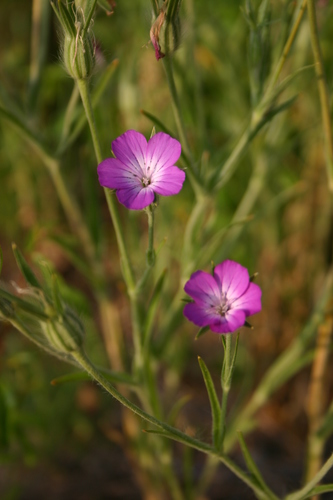
(c) Siddarth Machado, some rights reserved (CC BY), uploaded by Siddarth Machado
(c) Siddarth Machado, some rights reserved (CC BY), uploaded by Siddarth Machado

iNaturalist · cc-by-sa
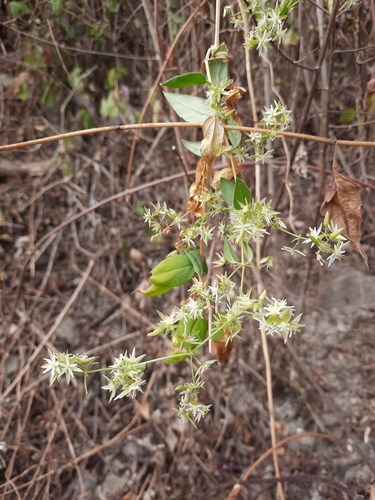
(c) Dinesh Valke, some rights reserved (CC BY-SA)
(c) Dinesh Valke, some rights reserved (CC BY-SA)

iNaturalist · cc-by-sa
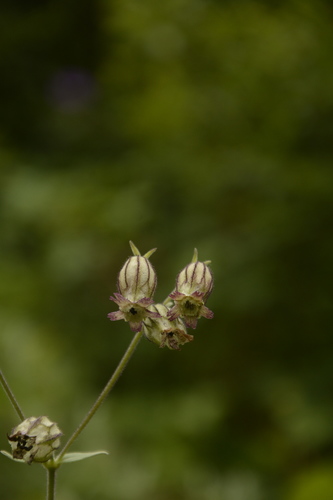
(c) Dinesh Valke, some rights reserved (CC BY-SA)
(c) Dinesh Valke, some rights reserved (CC BY-SA)
What to Eat
Edible parts: Leaves
Young plants are cooked as a vegetable.
Where to Find It
It grows in cultivated fields during winter with the wheat crop in India. In Pakistan it grows up to 2,800 m altitude. In Tibet it grows between 2,300-3,900 m above sea level.
Asia, Bhutan, China, Himalayas, India, Nepal, Pakistan, Tibet,
Countries: United Arab Emirates, Afghanistan, Armenia, Azerbaijan, Bangladesh, Bahrain, Brunei, Bhutan, China, Georgia, Indonesia, Israel, India, Iraq, Iran, Jordan, Japan, Kyrgyzstan, Cambodia, North Korea, South Korea, Kuwait, Kazakhstan, Laos, Lebanon, Sri Lanka, Myanmar, Mongolia, Maldives, Malaysia, Nepal, Oman, Philippines, Pakistan, Qatar, Saudi Arabia, Singapore, Syria, Thailand, Tajikistan, Timor-Leste, Turkmenistan, Turkey, Taiwan, Uzbekistan, Vietnam, Yemen
How to Identify
A herb. It grows 55 cm high. The stems are simple and erect. The leaves are 2-7 cm long by 1-3 cm wide. They vary in size and shape.
Wikipedia
Source ↗Silene indica, the Indian campion, is a species of flowering plant in the family Caryophyllaceae, native to northern Pakistan, the Himalayas, and southern Tibet. It typically grows at elevations of 2,300 to 3,900 m (7,500 to 12,800 ft).
Names & Synonyms
Lychnis ciliata Wall.Lychnis indica (Roth. ex otth) Benth.and others
References (2)
- A. P. de Candolle, Prodr. 1:368. 1824
- Malhotra, C.L.., et al, 1985, Additional Notes on the wild edible plants of India J. Econ. Tax. Bot. Vol 6. No.2 pp 481-482