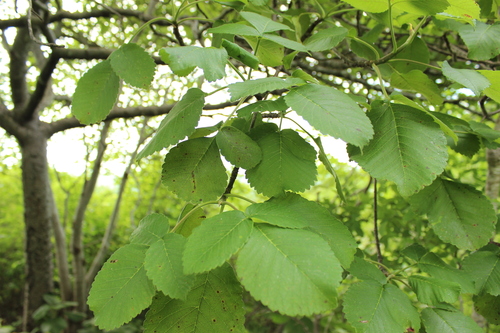
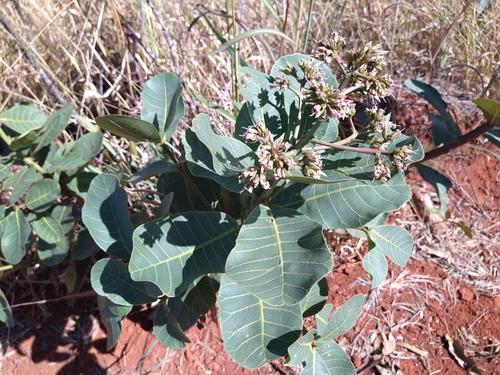
Buchanania splendens
Miq.

gbif · cc0
President and Fellows of Harvard College
President and Fellows of Harvard College

gbif · cc0
President and Fellows of Harvard College
President and Fellows of Harvard College

gbif · cc0
President and Fellows of Harvard College
President and Fellows of Harvard College
What to Eat
Edible parts: Fruit
The fruit is eaten.
Known Hazards
Where to Find It
A tropical plant. It grows in lowland rainforest.
Andaman Island, Asia, India, Indonesia, Malaysia, SE Asia,
Countries: United Arab Emirates, Afghanistan, Armenia, Azerbaijan, Bangladesh, Bahrain, Brunei, Bhutan, China, Georgia, Indonesia, Israel, India, Iraq, Iran, Jordan, Japan, Kyrgyzstan, Cambodia, North Korea, South Korea, Kuwait, Kazakhstan, Laos, Lebanon, Sri Lanka, Myanmar, Mongolia, Maldives, Malaysia, Nepal, Oman, Philippines, Pakistan, Qatar, Saudi Arabia, Singapore, Syria, Thailand, Tajikistan, Timor-Leste, Turkmenistan, Turkey, Taiwan, Uzbekistan, Vietnam, Yemen
How to Identify
A small tree. It grows 20 m tall. The trunk can be 20 cm across. The bark is smooth and grey. The flowers are white. The fruit are round and 0.5 cm long.
Wikipedia
Source ↗Buchanania splendens is a tree in the family Anacardiaceae. The specific epithet splendens is from the Latin meaning 'shining', referring to the leaves.
Notes
There are about 25 Buchanania species. It is considered a vulnerable species.
Names & Synonyms
Awa bonan-bonan, Bonan-bonan payo, Tutun bonan
Buchanania fragrans Ridl.Buchanania fragrans var. oblanceolata Ridl.Buchanania platyneura Kurz
References (1)
- Ambasta S.P. (Ed.), 2000, The Useful Plants of India. CSIR India. p 90 (As Buchanania platyneura)