Polygonatum oppositifolium
Royle
AsparagaceaeLeaves
iNaturalist · cc-by-nc
(c) coqwallon, some rights reserved (CC BY-NC), uploaded by coqwallon
(c) coqwallon, some rights reserved (CC BY-NC), uploaded by coqwallon

wikimedia · cc0
Wikimedia Commons - Daderot
Wikimedia Commons - Daderot
What to Eat
Edible parts: Leaves
The leaves are eaten as a vegetable, particularly in soup. The rhizomes are roasted and eaten.
Where to Find It
It is a temperate plant. It grows on rocks in rain forests between 1,800-2,200 m above sea level in Tibet. Melbourne Botanical gardens.
Asia, Australia, Bhutan, China, Himalayas, India, Nepal, Northeastern India, Sikkim, Tibet,
Countries: United Arab Emirates, Afghanistan, Armenia, Australia, Azerbaijan, Bangladesh, Bahrain, Brunei, Bhutan, China, Georgia, Indonesia, Israel, India, Iraq, Iran, Jordan, Japan, Kyrgyzstan, Cambodia, North Korea, South Korea, Kuwait, Kazakhstan, Laos, Lebanon, Sri Lanka, Myanmar, Mongolia, Maldives, Malaysia, Nepal, Oman, Philippines, Pakistan, Qatar, Saudi Arabia, Singapore, Syria, Thailand, Tajikistan, Timor-Leste, Turkmenistan, Turkey, Taiwan, Uzbekistan, Vietnam, Yemen
How to Identify
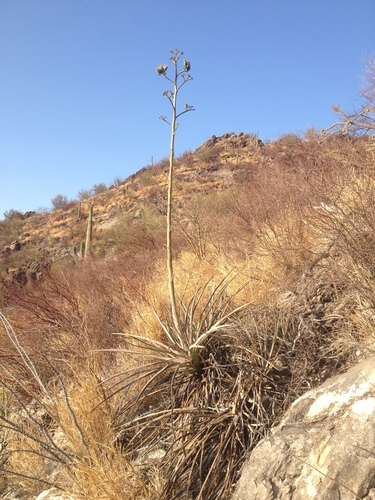
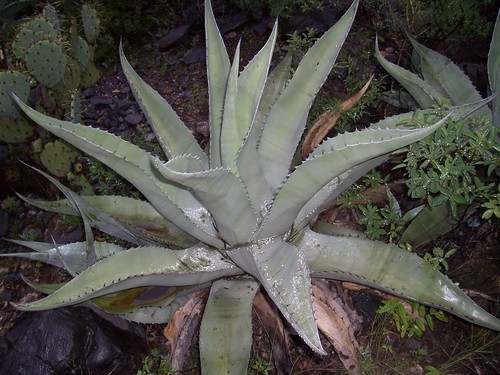
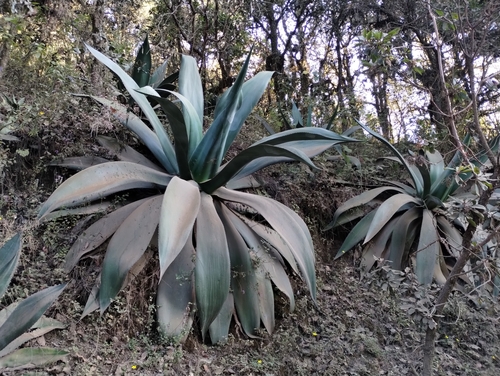
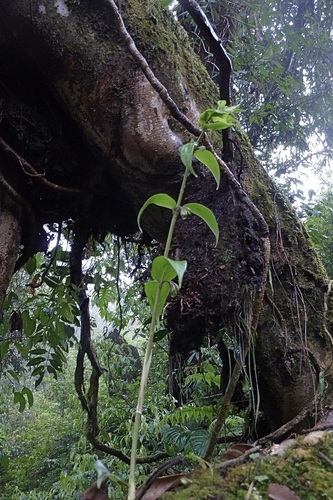
A herb. The rhizome is branched and it forms tubers. It grows 60 cm high. The stems arch over. The leaves are leathery and deep green. They are 6-11 cm long by 2-4 cm wide. There are 3-5 flowers in a group. The flowers are greenish.
Notes
Also put in the family Convallariaceae.
Names & Synonyms
Ren-gyi-tsong, Tse-met-che
References (5)
- Ambasta, S.P. (Ed.), 2000, The Useful Plants of India. CSIR India. p 478
- Ding, X., 2021, Collection calendar: the diversity and local knowledge of wild edible plants used by Chenthang Sherpa people to treat seasonal food shortages in Tibet, China. Journal of Ethnobiology and Ethnomedicine 17:40
- Hibbert, M., 2002, The Aussie Plant Finder 2002, Florilegium. p 238
- Li, S., et al, 2020, Monpa, memory, and change: an ethnobotanical study of plant use in Mêdog County, South-east Tibet, China. Journal of Ethnobiology and Ethnomedicine. (2020) 16:5 p 16
- Ryan, S., 2008, Dicksonia. Rare Plants Manual. Hyland House. p 110