Ramalina sinensis
Jatta
UsneaceaeMushrooms

iNaturalist · cc-by-nc
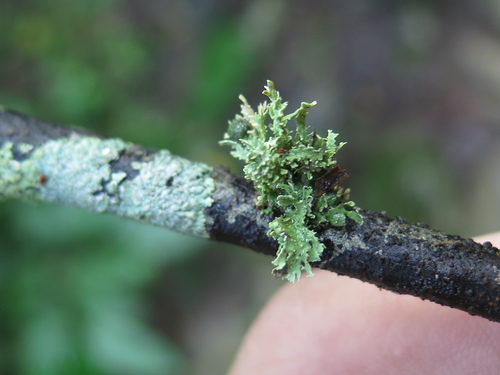
(c) Samuel Brinker, some rights reserved (CC BY-NC), uploaded by Samuel Brinker
(c) Samuel Brinker, some rights reserved (CC BY-NC), uploaded by Samuel Brinker

iNaturalist · cc-by-nc
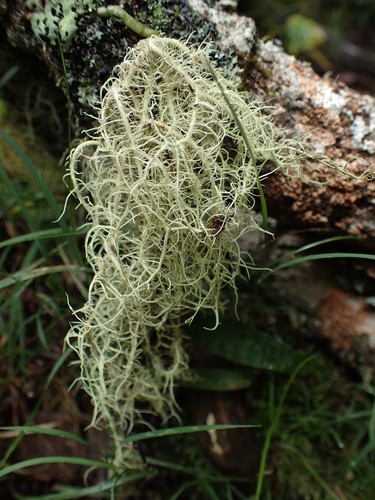
(c) Toby Spribille, some rights reserved (CC BY-NC), uploaded by Toby Spribille
(c) Toby Spribille, some rights reserved (CC BY-NC), uploaded by Toby Spribille

iNaturalist · cc-by-nc
(c) Samuel Brinker, some rights reserved (CC BY-NC), uploaded by Samuel Brinker
(c) Samuel Brinker, some rights reserved (CC BY-NC), uploaded by Samuel Brinker
What to Eat
Edible parts: Lichen
In Yunnan, this lichen has a history of use as an edible lichen, prepared as a cold dish or cooked with pork.
Where to Find It
A temperate plant.
Asia, Canada, China, India, North America, USA,
Countries: United Arab Emirates, Afghanistan, Antigua & Barbuda, Armenia, Azerbaijan, Barbados, Bangladesh, Bahrain, Brunei, Bahamas, Bhutan, Belize, Canada, China, Costa Rica, Cuba, Dominica, Dominican Republic, Grenada, Georgia, Guatemala, Honduras, Haiti, Indonesia, Israel, India, Iraq, Iran, Jamaica, Jordan, Japan, Kyrgyzstan, Cambodia, St Kitts & Nevis, North Korea, South Korea, Kuwait, Kazakhstan, Laos, Lebanon, St Lucia, Sri Lanka, Myanmar, Mongolia, Maldives, Mexico, Malaysia, Nicaragua, Nepal, Oman, Panama, Philippines, Pakistan, Puerto Rico, Qatar, Saudi Arabia, Singapore, El Salvador, Syria, Thailand, Tajikistan, Timor-Leste, Turkmenistan, Turkey, Trinidad & Tobago, Taiwan, United States, Uzbekistan, St Vincent, Vietnam, Yemen
How to Identify
A fruticose lichen with broad, flattened, fan-shaped branches that are greener above and paler beneath, attached by a narrow holdfast. It grows on tree bark across the Northern Hemisphere, including North America, China, and Russia.
References (2)
- Ambasta S.P. (Ed.), 2000, The Useful Plants of India. CSIR India. p 512
- Boa, E. R., 2004, Wild edible fungi and their importance to people. FAO Non Wood Forest Products Booklet 17 (As Ramalina sp.)