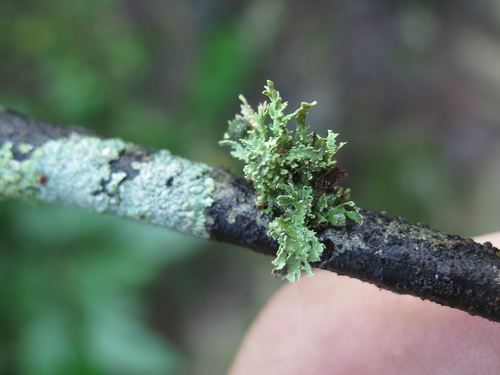
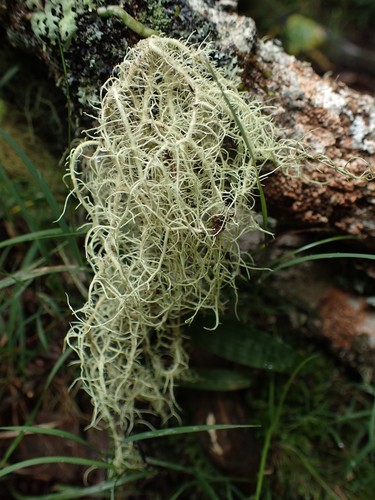
Alectoria sulcata
Nyl.

gbif · cc-by-nc
Krysta Duran : Field Museum of Natural History | R. Lücking : Field Museum of Natural History - Botany Department
Krysta Duran : Field Museum of Natural History | R. Lücking : Field Museum of Natural History - Botany Department

gbif · cc-by-nc
Krysta Duran : Field Museum of Natural History | R. Lücking : Field Museum of Natural History - Botany Department
Krysta Duran : Field Museum of Natural History | R. Lücking : Field Museum of Natural History - Botany Department

gbif · cc-by-nc
Krysta Duran : Field Museum of Natural History | R. Lücking : Field Museum of Natural History - Botany Department
Krysta Duran : Field Museum of Natural History | R. Lücking : Field Museum of Natural History - Botany Department
What to Eat
Edible parts: Plant
The whole plant is cooked and eaten in stir fries.
Where to Find It
It grow in Yunnan in China.
Asia, China, Himalayas, Tibet,
Countries: United Arab Emirates, Afghanistan, Armenia, Azerbaijan, Bangladesh, Bahrain, Brunei, Bhutan, China, Georgia, Indonesia, Israel, India, Iraq, Iran, Jordan, Japan, Kyrgyzstan, Cambodia, North Korea, South Korea, Kuwait, Kazakhstan, Laos, Lebanon, Sri Lanka, Myanmar, Mongolia, Maldives, Malaysia, Nepal, Oman, Philippines, Pakistan, Qatar, Saudi Arabia, Singapore, Syria, Thailand, Tajikistan, Timor-Leste, Turkmenistan, Turkey, Taiwan, Uzbekistan, Vietnam, Yemen
How to Identify
A lichen in the family Usneaceae found in Yunnan, China, occasionally used as a food source.
Production
It is collected from July to September in Yunnan.
Other Information
It is only occasionally used.
Notes
Also put in the family Parmeliaceae.
Names & Synonyms
Shuhua
References (2)
- Ju, Y., et al, 2013, Eating from the wild: diversity of wild edible plants used by Tibetans in Shangri-la region, Yunnan, China, Journal of Ethnobiology and Ethno medicine 9:28
- Liu, B et al, 2014, Aromatic lichen resources in Ghuizhou Province, China. Med. Aromat Palnts 3:146