Rubus pedunculosus
D. Don
Pila hisalu
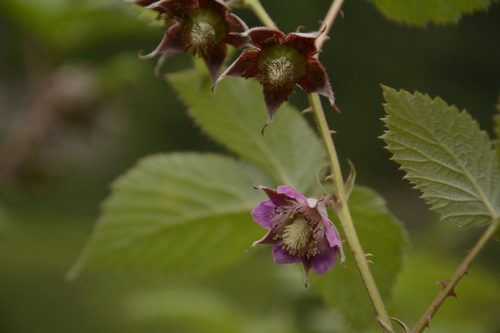
(c) Siddarth Machado, some rights reserved (CC BY), uploaded by Siddarth Machado
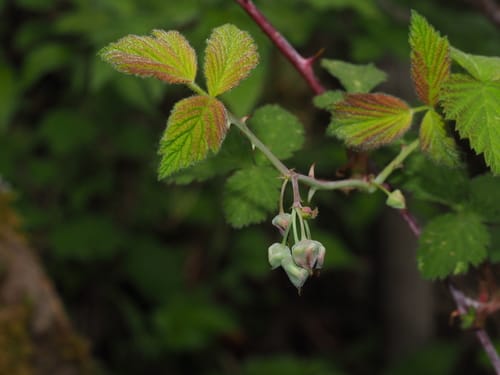
(c) 小铖/Smalltown, some rights reserved (CC BY-NC)
What to Eat
Edible parts: Fruit
The ripe fruit are eaten fresh.
Dangerous Lookalikes
This plant can be confused with the following toxic species. Always verify identification carefully before consuming any wild plant.


Red Baneberry: Short herbaceous plant (no thorns), berries on thick red stems, each berry has a single seed, compound sharply-toothed leaves.
Pila hisalu: Thorny woody canes (brambles), aggregate berry made of many drupelets, berries pull easily from receptacle.
Where to Find It
It is a temperate plant. In western China it grows between 3,000-3,200 m above sea level. In Yunnan.
Asia, Bhutan, China, Himalayas, India, Nepal, Northeastern India, Sikkim,
How to Identify
A shrub. The branches are brown and have hairs when young. There are only a few prickles. The leaves have leaflets along the stalk and one at the end. There are 3 and occasionally 5 leaflets. The leaflets are oval or sword shaped and 3-6 cm long by 2-5 cm wide. There are several flowers in a group and they are up to 2 cm across. The petals are pink. The fruit are aggregate and black.
Names & Synonyms
References (4)
- Ambasta S.P. (Ed.), 2000, The Useful Plants of India. CSIR India. p 533
- Prodr. fl. nepal. 234. 1825
- Tsering, J., et al, 2017, Ethnobotanical appraisal on wild edible plants used by the Monpa community of Arunchal Pradesh. Indian Journal of Traditional Knowledge. Vol 16(4), October 2017, pp 626-637
- www.efloras.org Flora of China Volume 9
More from Rosaceae


