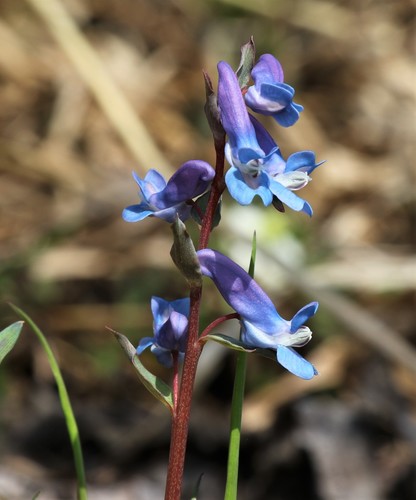
Corydalis bulbosa
(L.) DC.
Fumewort
PapaveraceaeRoots
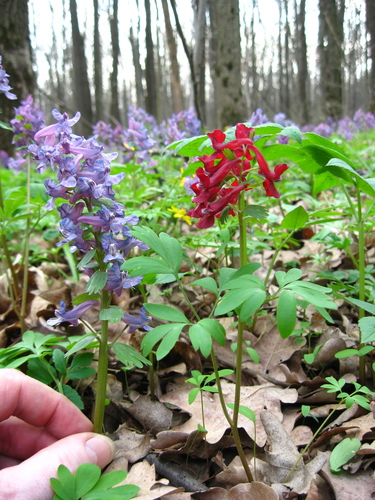
iNaturalist · cc-by-nc
(c) Юрій Бенгус, some rights reserved (CC BY-NC)
(c) Юрій Бенгус, some rights reserved (CC BY-NC)
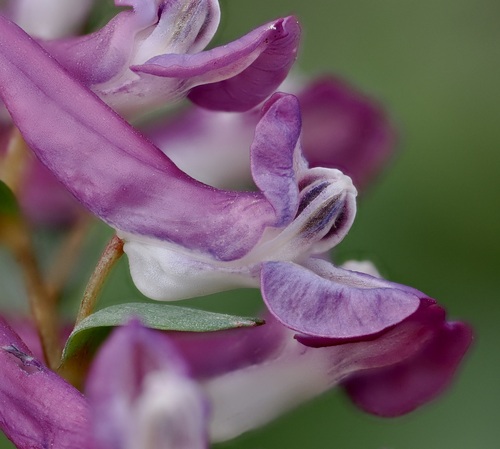
iNaturalist · cc-by-nc
(c) Axel Gosseries, some rights reserved (CC BY-NC)
(c) Axel Gosseries, some rights reserved (CC BY-NC)

iNaturalist · cc-by-nc
(c) maleneschjotz, some rights reserved (CC BY-NC)
(c) maleneschjotz, some rights reserved (CC BY-NC)
What to Eat
Edible parts: Roots
The tuberous roots are boiled and eaten.
Where to Find It
It is best in a light to medium, rich, well-drained soil. It needs an open sunny position. It is resistant to frost and drought.
Asia, Australia, Europe*,
Countries: Andorra, United Arab Emirates, Afghanistan, Albania, Armenia, Austria, Australia, Azerbaijan, Bosnia & Herzegovina, Bangladesh, Belgium, Bulgaria, Bahrain, Brunei, Bhutan, Belarus, Switzerland, China, Cyprus, Czechia, Germany, Denmark, Estonia, Spain, Finland, France, United Kingdom, Georgia, Greece, Croatia, Hungary, Indonesia, Ireland, Israel, India, Iraq, Iran, Iceland, Italy, Jordan, Japan, Kyrgyzstan, Cambodia, North Korea, South Korea, Kuwait, Kazakhstan, Laos, Lebanon, Liechtenstein, Sri Lanka, Lithuania, Luxembourg, Latvia, Monaco, Moldova, Montenegro, North Macedonia, Myanmar, Mongolia, Malta, Maldives, Malaysia, Netherlands, Norway, Nepal, Oman, Philippines, Pakistan, Poland, Portugal, Qatar, Romania, Serbia, Russia, Saudi Arabia, Sweden, Singapore, Slovenia, Slovakia, San Marino, Syria, Thailand, Tajikistan, Timor-Leste, Turkmenistan, Turkey, Taiwan, Ukraine, Uzbekistan, Vietnam, Yemen
How to Identify
A plant that keeps growing from year to year. It grows 1 m high and spreads 50 cm wide. The stem is erect. It is fleshy and occurs singly. The leaves are finely divided. The flowers are a dull pink to purple. They have 4 petals. They are in dense long arrangements. The fruit are shiny capsules. These are 2.5 cm long.
How to Grow
It is grown from seed sown directly where the plant is to grow.
Notes
It is also put in the family Fumariaceae
References (3)
- Bodkin, F., 1991, Encyclopedia Botanica. Cornstalk publishing, p 286
- J. B. P. A. M. de Lamarck & A. P. de Candolle, Fl. franc. ed. 3, 4(2):637. 1805, nom. rej.
- Hedrick, U.P., 1919, (Ed.), Sturtevant's edible plants of the world. p 220