Ferocactus viridescens
(Torrey & A Gray) Britton & Rose
Coast barrel cactus, Keg cactus, Green-stemmed viznaga, San Diego barrel cactus, Sisal

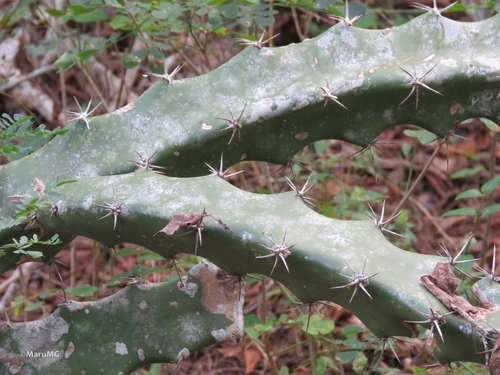
(c) dannybowie, some rights reserved (CC BY-NC)

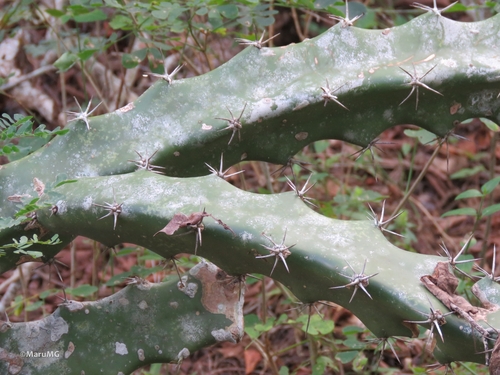
(c) fiamma, some rights reserved (CC BY-NC), uploaded by fiamma

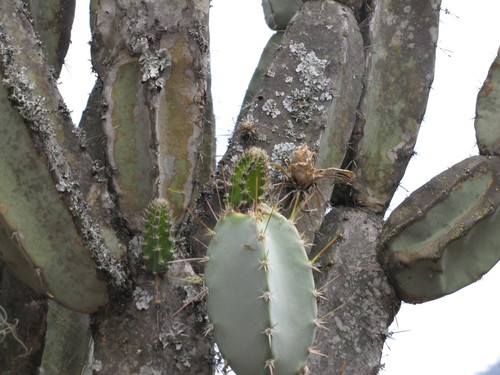
(c) sphuemmer, some rights reserved (CC BY-NC)
What to Eat
Edible parts: Fruit, Flower buds
The slightly acidic fruits are eaten fresh, and flower buds are eaten cooked.
Where to Find It
It is a warm temperate plant.
Mexico, North America, USA,
How to Identify
A cactus. Plants usually occur singly. They are 30 cm high and 30 cm wide. They are a flattened round shape. They are a glossy green colour. There are 13-34 ribs. There are 4-9 central spines which are yellow but turn grey. They are 5 cm long. There are 8-25 spines around these. The flowers are broad but bell shaped. They are yellowish green. They are 5 cm long and 6 cm wide. The fruit are green or red but turn yellow. They are 3.5 cm long.
Wikipedia
Source ↗Ferocactus viridescens is a species of flowering plant in the cactus family Cactaceae. This barrel cactus is known by several common names, including coast barrel cactus, keg cactus and San Diego barrel cactus. Most of its native range in the United States is in San Diego County, California, where it is threatened by development, agriculture, and other alterations in its habitat. It is also found in northern Baja California, Mexico.
Names & Synonyms
References (7)
- Anderson, E.F., 2001, The Cactus Family, Timber Press p 335
- Benson, L., 1969, The Native Cacti of California. Stanford University Press. p 199
- Cact. 3:140.1922
- Facciola, S., 1998, Cornucopia 2: a Source Book of Edible Plants. Kampong Publications, p 64
- Hedrick, U.P., 1919, (Ed.), Sturtevant's edible plants of the world. p 284 (As Echinocactus viridescens)
- Kermath, B. M., et al, 2014, Food Plants in the Americas: A survey of the domesticated, cultivated and wild plants used for Human food in North, Central and South America and the Caribbean. On line draft. p 367
- World Checklist of Useful Plant Species 2020. Royal Botanic Gardens, Kew