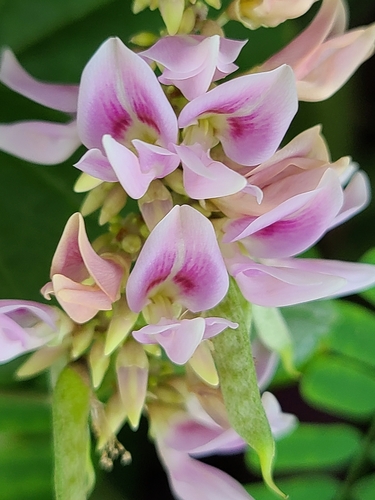
Inga insignis
Kunth
Guaba de zorro
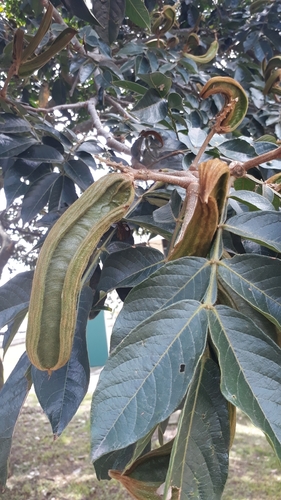
(c) Nathaly, some rights reserved (CC BY-NC), uploaded by Nathaly
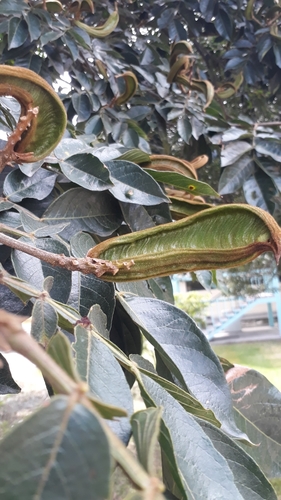
(c) Nathaly, some rights reserved (CC BY-NC), uploaded by Nathaly

(c) c michael hogan, some rights reserved (CC BY-NC-SA), uploaded by c michael hogan
What to Eat
Edible parts: Fruit - aril, Pod pulp
The fruit is eaten raw. The sweet-tasting white pulp surrounding the seeds is the edible part. The seedpod measures 14–18cm long and up to 2.5cm wide.
Where to Find It
A tropical plant. It can grow on poor soils. It can tolerate long dry seasons. In Ecuador it grows between 1,450-2,850 m above sea level.
Andes, Brazil, Colombia, Ecuador, Peru, South America,
How to Identify
A tree. It grows 10 m high. The leaves are compound. They are reddish-green when young and turn brownish when old. The flowers are green or yellow. The stamens are long and white. The fruit are green pods. They are covered with white hairs. There is a white aril layer around the seeds.
How to Grow
A tropical plant. It can grow on poor soils. It can tolerate long dry seasons. In Ecuador it grows between 1,450-2,850 m above sea level. This species has a symbiotic relationship with certain soil bacteria, these bacteria form nodules on the roots and fix atmospheric nitrogen. Some of this nitrogen is utilized by the growing plant but some can also be used by other plants growing nearby.
Propagation: Seed.
Medicinal Uses
None known
Other Uses
None known.
Wikipedia
A tree reaching 8 by 10 meters at medium growth rate, hardy to UK zone 10. Grows in light sandy, medium loamy, and heavy clay soils with good drainage; tolerates poor soil fertility. Adapts to mildly acid, neutral, and mildly alkaline pH levels. Can thrive in semi-shade or full sun and handles both drought and moist conditions. Fixes atmospheric nitrogen.
Other Information
It is a popular food. It is cultivated.
Notes
Also as Mimosaceae.
Names & Synonyms
Guaba, Guaba lanuda, Guaba musga, Guagua, Pakay, Remarkable Inga
References (13)
- Grandtner, M. M. & Chevrette, J., 2013, Dictionary of Trees, Volume 2: South America: Nomenclature, Taxonomy and Ecology. Academic Press p 321
- Hedrick, U.P., 1919, (Ed.), Sturtevant's edible plants of the world. p 355
- Quintana, C. M., 2010, Wild Plants in the Dry Valleys Around Quito Ecuador. An Illustrated Guide. Publicationes del Harbario, QCA p 119
- ILDIS Legumes of the World http:www;ildis.org/Legume/Web
- Kermath, B. M., et al, 2014, Food Plants in the Americas: A survey of the domesticated, cultivated and wild plants used for Human food in North, Central and South America and the Caribbean. On line draft. p 440
- Kew Plants of the World On line
- Martin, F. W., et al, 1987, Perennial Edible Fruits of the Tropics. USDA Handbook 642 p 99
- Penafield Anchundia, D. D., 2017, Traditional food consumption and its nutritional contribution in Guasaganda, Central Ecuador. PhD Ghent University p 72
- Pennington, T. D. 1997, The genus Inga, botany. Kew Books.
- Reis, S. V. and Lipp, F. L., 1982, New Plant Sources for Drugs and Foods from the New York Botanical Garden herbarium. Harvard. p 115
- Roa, J. A. G. & Boada, D. S. G., 2018, Fundación para el Fortalecimiento de la Fruticultura y Plantas Alimenticias no Convencionales en Colombia.
- Torre, de la, L., et al, 2008, Enciclopedia de las Plantas Útiles del Ecuador. Herbario QCA. Pontificia Universidad Católica del Ecuador. p 344, p 346 (As Inga ornifolia)
- Van den Eynden, V., et al, 2003, Wild Foods from South Ecuador. Economic Botany 57(4): 576-603