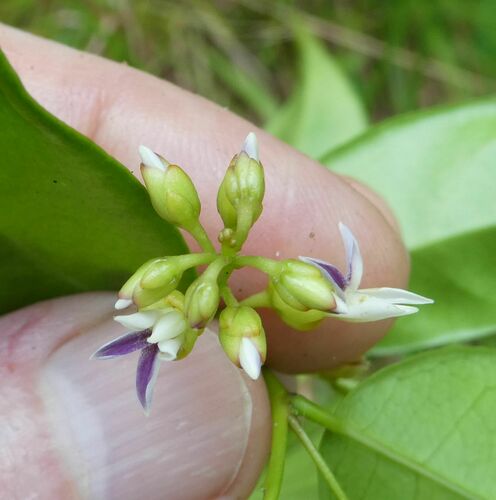
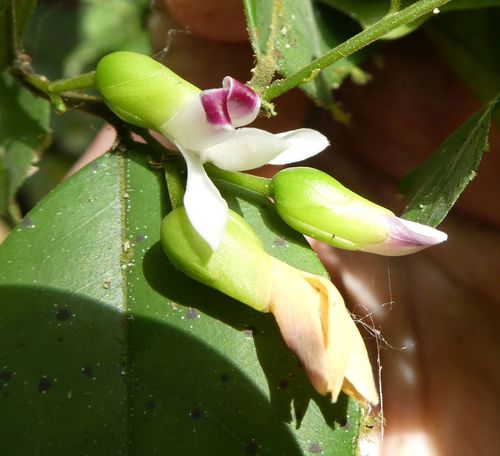
Pigea enneasperma
(Linn.)Forst.
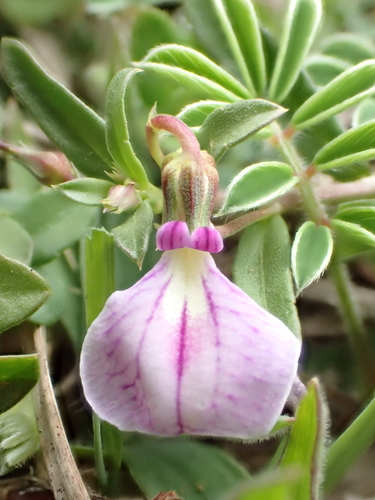
iNaturalist · cc0
no rights reserved, uploaded by 葉子
no rights reserved, uploaded by 葉子
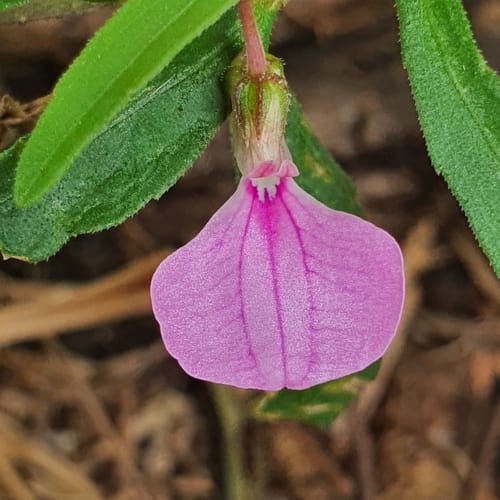
iNaturalist · cc-by
(c) pbsg, some rights reserved (CC BY)
(c) pbsg, some rights reserved (CC BY)
What to Eat
Edible parts: Leaves - tea
Leaves are prepared as tea.
Where to Find It
It is a tropical plant. It grows in seasonally dry areas.
Andamans, Angola, Asia, Australia, Bangladesh, Benin, Burkina, Burundi, Cameroon, Central Africa Republic, CAR, China, Congo R., Congo DR, Djibouti, Eritrea, Ethiopia, Gabon, Ghana, Guinea, India, Indonesia, Ivory Coast, Japan, Kenya, Liberia, Madagascar, Mali, Mauritania, Mozambique, Niger, Nigeria, Papua New Guinea, PNG, Philippines, Saudi Arabia, SE Asia, Senegal, Socotra, Sri Lanka, Sudan, Taiwan, Tanzania, Thailand, Togo, Uganda, Yemen, Zambia, Zimbabwe,
Countries: United Arab Emirates, Afghanistan, Armenia, Angola, Australia, Azerbaijan, Bangladesh, Bahrain, Benin, Brunei, Bhutan, Congo (DRC), Central African Republic, Cote d'Ivoire, Cameroon, China, Ethiopia, Gabon, Georgia, Ghana, Guinea, Indonesia, Israel, India, Iraq, Iran, Jordan, Japan, Kenya, Kyrgyzstan, Cambodia, North Korea, South Korea, Kuwait, Kazakhstan, Laos, Lebanon, Sri Lanka, Liberia, Madagascar, Mali, Myanmar, Mongolia, Maldives, Malaysia, Mozambique, Niger, Nigeria, Nepal, Oman, Papua New Guinea, Philippines, Pakistan, Qatar, Saudi Arabia, Sudan, Singapore, Senegal, Syria, Togo, Thailand, Tajikistan, Timor-Leste, Turkmenistan, Turkey, Taiwan, Tanzania, Uganda, Uzbekistan, Vietnam, Yemen, Zambia, Zimbabwe
How to Identify
A tropical herb or small shrub in the Polygalaceae family, found in seasonally dry areas.
Names & Synonyms
Polygala theezans L.and many others
References (2)
- Hedrick, U.P., 1919, (Ed.), Sturtevant's edible plants of the world. p 510 (As Polygala theezans)
- Plants For A Future (As Polygala theezans)