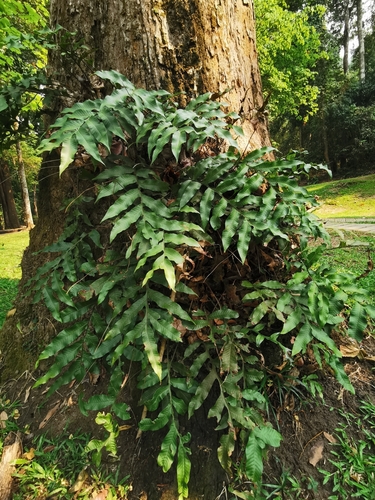
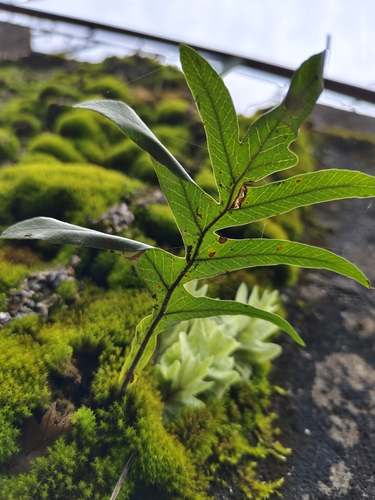
Dryopteris fragrans
(L.) Schott.
Polypody
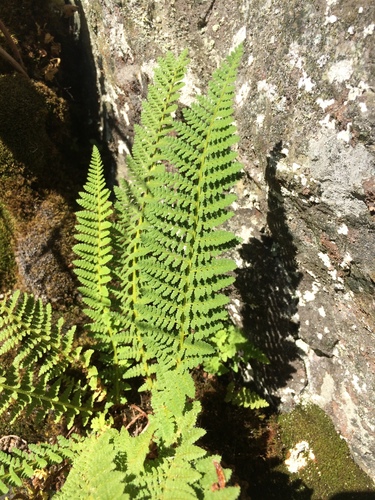
no rights reserved, uploaded by Étienne Lacroix-Carignan
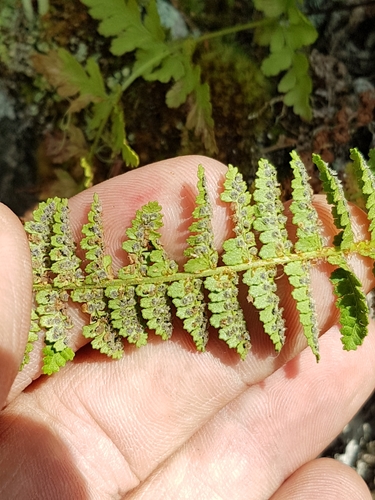
(c) Rob Routledge, some rights reserved (CC BY-NC), uploaded by Rob Routledge
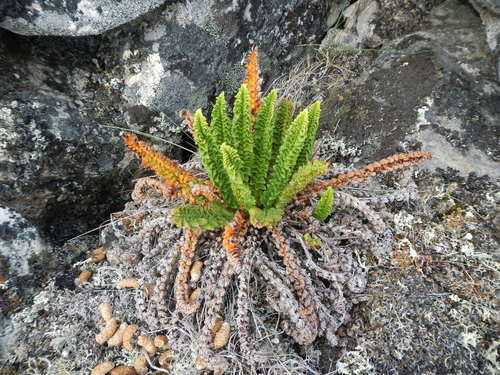
(c) Serguei Ponomarenko, some rights reserved (CC BY-NC), uploaded by Serguei Ponomarenko
What to Eat
Edible parts: Leaves - tea
The leaves can be brewed into a tea.
Where to Find It
It is a temperate plant. In north China it grows between 700-2,400 m above sea level.
Asia, China, Europe, Japan, Korea, Mongolia, North America, Russia, Siberia,
How to Identify
A fern. It grows 20-30 cm tall. The blade is oblong to sword shaped and 10-25 cm long by 2-4 cm wide.
How to Grow
Propagation: Spores can be sown at any time of year in a greenhouse. Surface sow on sterilised compost and keep moist, for example by placing the pot in a plastic bag. Germination takes 1–3 months at 20°C. Pot up small clumps when large enough to handle and grow on in a shady part of the greenhouse until ready to plant out. Divide in spring — larger clumps can go directly into permanent positions, while smaller clumps are best potted up and grown on in a cold frame until rooting well before planting out in spring.
Medicinal Uses
None known.
Other Uses
The plant has been used as bedding material.
Wikipedia
Source ↗Dryopteris fragrans, commonly known as the fragrant woodfern, a circumboreal fern, is the smallest of the Dryopteris species. It can resemble Woodsia ilvensis in the wild, with which it shares the same habitat of rocky areas, shady cliffs, screes, and limestone talus. It typically will not reach more than 25 cm (9.8 in) in height, and accumulates dead fronds around its base. The name refers to an appealing fruity fragrance (which some liken to primrose) that is exuded by aromatic glands found on the surface of fresh fronds. Others say that it has a spicy odor when dry. The fronds were traditionally made into a tea, as well as used as bedding by Native Americans. Like many other ferns, and members of Dryopteris in particular, however, its plant material can potentially contain an antinutrient, thiaminase, as well as potentially cytotoxic compounds.
Names & Synonyms
Serlik
References (3)
- Crowe, A., 1997, A Field Guide to the Native Edible Plants of New Zealand. Penguin. p 112 (As Polypodium fragrans)
- Hedrick, U.P., 1919, (Ed.), Sturtevant's edible plants of the world. p 511 (As Polypodium fragrans)
- Urgamal, M., et al, 2014, Conspectus of the Vascular Plants of Mongolia. Mongolia Academy of Sciences Institute of Botany and National University of Mongolia Department of Biology. p 34