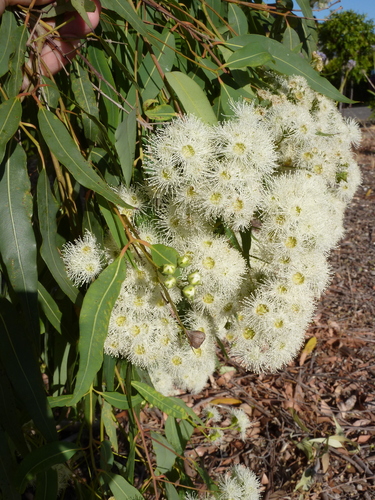
Psidium indicum
Raddi
What to Eat
Edible parts: Fruit
The whole fruit can be eaten as both the thin skin and juicy interior are soft and tasty. It can also be used to make jam and juices. The skin is often removed for a sweeter flavour. The seeds are small and white in colour. Its leaves may be brewed for tea. The wood of the tree is hard, compact, durable, and resistant, and is used for lathe work, tool handles, charcoal, and firewood. The plant is indispensable for mixed planting in reforestation of reclaimed and protected areas in Brazil. P. cattleyanum has modest economic impacts in Hawaii due to its edible fruits. However, products made from P. cattleyanum are not commercially available because of a lack of market and the heavy presence of fruit flies. This renders the fruits inedible soon after they are picked. Its seeds have many health benefits, including antioxidant, anti-inflammatory, and antimicrobial properties in addition to a high amount of vitamin C. Necklaces are reported to be handcrafted in Tanzania by tying together beads made of individual fruits.
Where to Find It
A tropical plant.
Brazil, South America,
How to Identify
A tropical plant in the myrtle family (Myrtaceae) with edible fruit, though its taxonomy remains unresolved.
Notes
An unresolved name in The Plant List.
Names & Synonyms
References (1)
- Hedrick, U.P., 1919, (Ed.), Sturtevant's edible plants of the world. p 532