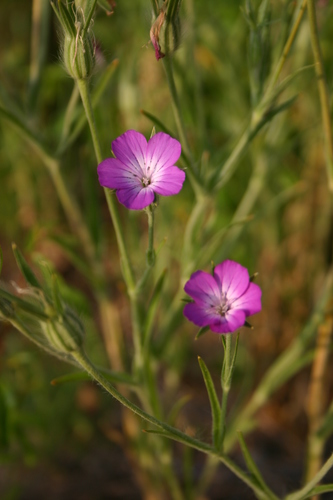
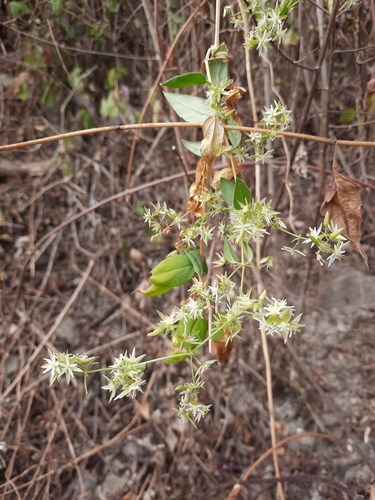
Paronychia argentea
Lam.
Algerian tea, The Arabe, Silver nailroot

(c) Julien Renoult, some rights reserved (CC BY), uploaded by Julien Renoult
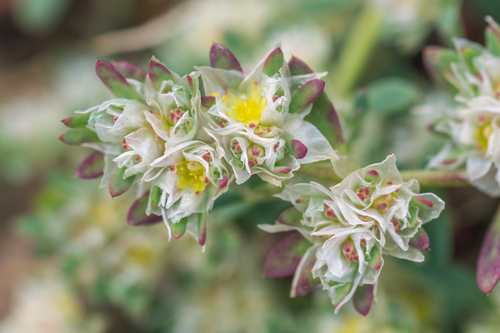
(c) Juanvi, some rights reserved (CC BY-NC), uploaded by Juanvi

(c) marcie12h, some rights reserved (CC BY-NC)
What to Eat
Edible parts: Flowers - tea, Leaves
An infusion of the flowers is used as a tea.
Where to Find It
It is a Mediterranean climate plant. It grows in the Sahara.
Africa, Algeria, Egypt, Jordan, Mediterranean, Middle East, Morocco, North Africa, Palestine, Slovenia,
How to Identify
Paronychia argentea is an evergreen perennial reaching 0.1 m tall and spreading 0.5 m. It flowers from July to August and maintains foliage year-round. The species is hermaphroditic, pollinated by insects. It grows in light sandy and medium loamy well-drained soils across mildly acidic to basic pH ranges. Requires full sun and tolerates both dry and moist soils. Hardy to UK zone 7.
How to Grow
Requires a warm open position in full sun, in a sharply drained sandy or gritty soil. If the soil is too rich the plants leaves will not be so silvery. Plants can be grown in a wall. This species is not hardy in the colder areas of the country, it tolerates temperatures down to between -5 and -10°c, perhaps more if in a perfectly drained soil. Closely related to P. capitata, but this species is more tolerant of winter cold and wet conditions.
Propagation: Sow seed in spring in a greenhouse. Prick seedlings into individual pots when large enough to handle and grow on in the greenhouse for at least their first winter. Plant out into permanent positions in late spring or early summer after the last expected frosts. Can also be propagated by division in spring.
Medicinal Uses
An infusion of the leaves is aphrodisiac and diuretic. It is also used in the treatment of TB.
Other Uses
Especially useful as a ground cover plant after bulbs have flowered. The plants form a low carpet and root as they spread; space them about 30cm apart each way.
Wikipedia
Source ↗Paronychia argentea, commonly known as Algerian tea, is an herbaceous plant from the family Caryophyllaceae that grows in sandy areas, ways, abandoned fields and dry terrains.
Names & Synonyms
Atay dial, Lebled, Mosouif, Rijl hamameh, Silvery whitlow-wart, Shuwaisht
References (11)
- Al-Ismail, A. et al, 2007, Antioxidant Activities of some Edible Wild Mediterranean Plants. Ital. J. Food Sci. n. 3, vol. 19 - 2007 287
- Ali-Shtayeh, M. S., et al, 2008, Traditional knowledge of wild edible plants used in Palestine (Northern West Bank): A comparative study. J Ethnobiol Ethnomed. 4: 13
- Al-Qura'n, S. A., 2010, Ethnobotanical and Ecological Studies of Wild Edible Plants in Jordan. Libyan Agriculture Research Center Journal International 1(4):231-243
- Bidak, L. M., et al, 2015, Goods and services provided by native plants in desert ecosystems: Examples from the northwestern coastal desert of Egypt. Global Ecology and Conservation 3 (2015) 433–447
- Facciola, S., 1998, Cornucopia 2: a Source Book of Edible Plants. Kampong Publications, p 74
- Fl. france. 3:230. 1779 ("1778")
- Hinnawi, N. S. A., 2010, An ethnobotanical study of wild edible plants in the Northern West Bank "Palestine". An-Najah National University. p 97
- http://www.botanic-gardens-ljubljana.com/en/plants
- Nassif, F., & Tanji, A., 2013, Gathered food plants in Morocco: The long forgotten species in Ethnobotanical Research. Life Science Leaflets 3:17-54
- Tbatou, M, et al, 2016, Wild Edible Plants traditionally used in the countryside of El Jadida, Coastal Area in the Center of Morocco. Life Sciences Leaflets 75:28-48
- World Checklist of Useful Plant Species 2020. Royal Botanic Gardens, Kew