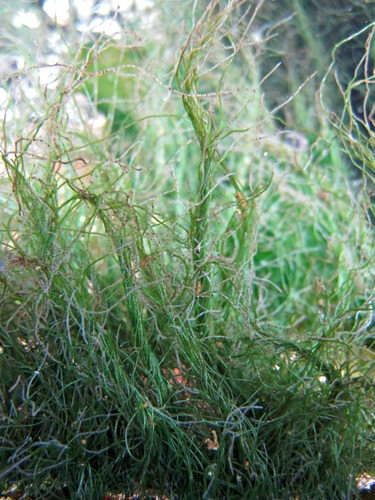
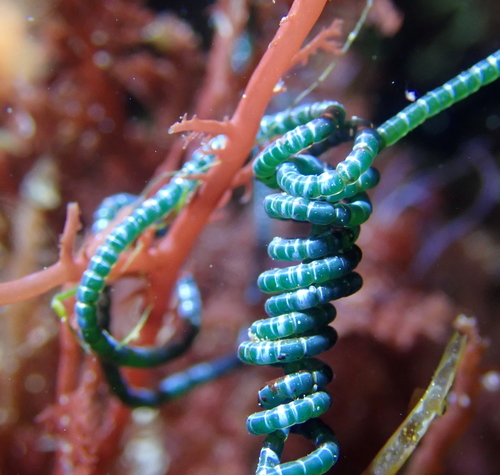
Cladophora sp
Khai, Kaipen
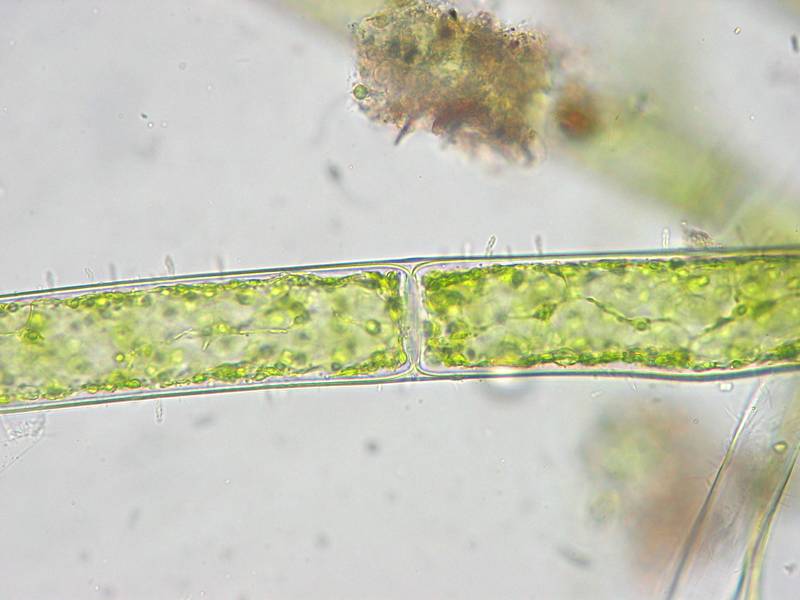
Wikimedia Commons - Kristian Peters https://www.korseby.net/outer/flora/algae/index.html

Wikimedia Commons - Ryan Hodnett
What to Eat
Edible parts: Algae
Fresh algae is added to soups and stews for flavor. It is also dried and pressed into sheets with finely sliced vegetables and sesame seeds, then grilled or briefly deep fried.
Where to Find It
A tropical plant. It grows in the stagnant waters of the Mekong in Laos.
Asia, Indochina, Laos, SE Asia,
How to Identify
A freshwater algae in the family Cladophoraceae native to tropical stagnant waters of the Mekong in Laos, sold in local markets.
Medicinal Uses
Cladophora has pharmacological uses as medication. Cladophora is purported to have antimicrobial, antihistamine, antiviral, antioxidant, anti-sclerosis, anti-inflammatory and weight loss properties as well as secondary metabolites and bioactive components that have uses in diabetes, hypertension, cancer, and serves as a protection from parasites. However, as of December 2023, Cladophora has yet to be utilized commercially as a pharmacological agent.
Other Information
It is sold in local markets.
References (1)
- Facciola, S., 1998, Cornucopia 2: a Source Book of Edible Plants. Kampong Publications, p 258