Pilocereus arrabidae
(Lem.) Byles & G.D.Rowley
Fachiero-da-praia
CactaceaeFruit
iNaturalist · cc-by
(c) Victor Farjalla Pontes, some rights reserved (CC BY)
(c) Victor Farjalla Pontes, some rights reserved (CC BY)

iNaturalist · cc-by-nc
(c) Alex Reis, some rights reserved (CC BY-NC)
(c) Alex Reis, some rights reserved (CC BY-NC)

iNaturalist · cc-by-nc
(c) Vitor C. Dias Gonçalves, some rights reserved (CC BY-NC)
(c) Vitor C. Dias Gonçalves, some rights reserved (CC BY-NC)
What to Eat
Edible parts: Fruit
The fruit are eaten fresh.
Where to Find It
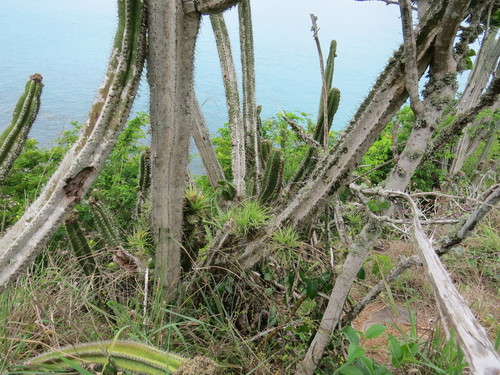
It is a tropical plant. It grows on coastal banks in Brazil.
Brazil*, South America,
How to Identify
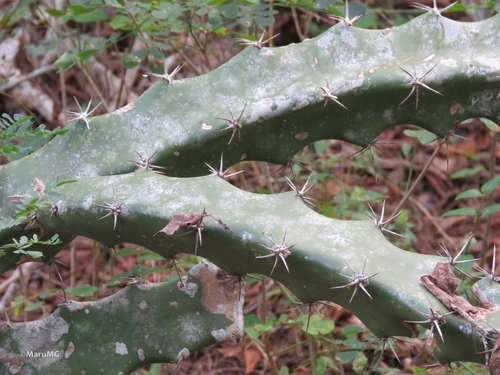
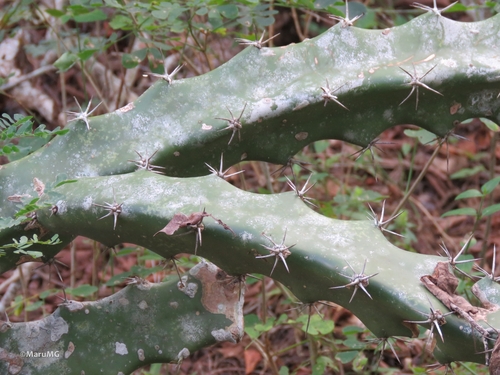
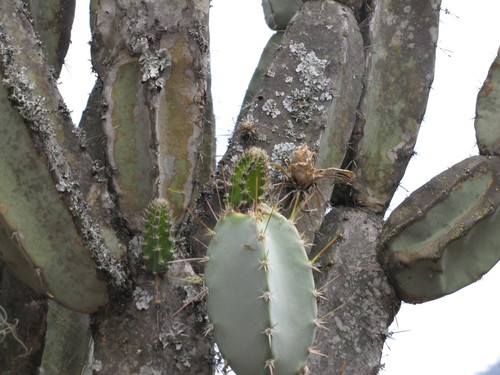
A shrubby cactus with a short trunk. It branches at its base and grows 1-3 m tall. The green stems that process sunlight have 5-8 ribs or angles along them. There are groups of stiff spines 15-40 mm long. The flowers occur singly and have a scent. The fruit has a fleshy pulp with a slightly sweet flavour.
How to Grow
Plants are easily grown from stem cuttings.
Other Information
The fruit are not very popular.
Names & Synonyms
Pilocereus arrabidae Lem.Cephalocereus arrabidae (Lem.) Britton & RosePseudopilocereus arrabidae (Lem.) Buxb.Cereus warmingii K. Schum.
References (1)
- Lorenzi, H., Bacher, L., Lacerda, M. & Sartori, S., 2006, Brazilian Fruits & Cultivated Exotics. Sao Paulo, Instituto Plantarum de Estuados da Flora Ltda. p 106