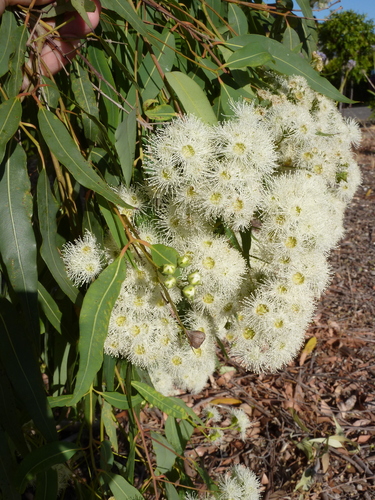
Campomanesia aurea
O. Berg.
Guabirobinha-do-campo, Araca-rasteiro

(c) Edson Luis Fabro Gasperin, some rights reserved (CC BY-SA), uploaded by Edson Luis Fabro Gasperin
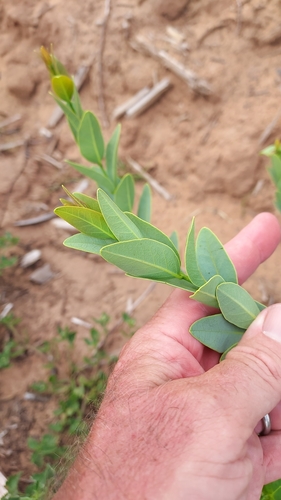
(c) Roderick Cameron, some rights reserved (CC BY)
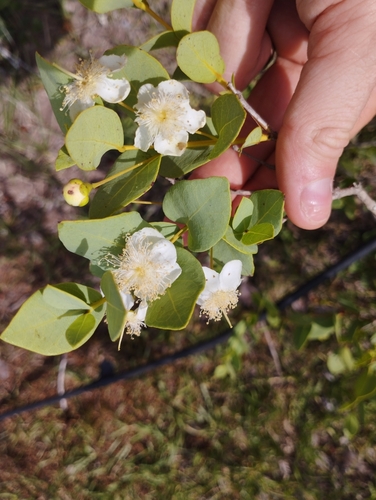
(c) jbugoni, some rights reserved (CC BY-NC)
What to Eat
Edible parts: Fruit, Flowers
The fruits are eaten fresh and are locally popular. The flowers are also edible.
Where to Find It
It is a subtropical plant. It grows naturally in fields and scrublands on the southern plateau in Brazil. In Argentina it grows from sea level to 1,100 m above sea level.
Argentina, Brazil*, Paraguay, South America, Uruguay,
How to Identify
A deciduous shrub. It grows 50 cm tall. The leaves are almost leathery and smooth. They have a short leaf stalk. The leaves are 1.5-3 cm long. The flowers occur singly and in the axils of leaves. The fruit are round and green or yellow. The pulp is sweet and juicy. There are a few soft seeds.
How to Grow
Plants are grown from seed.
Other Information
The fruit are popular.
Notes
There are at least 11 Campomanesia species.
Names & Synonyms
Gabinado, Guabirobeira-do-campo
References (5)
- Bircher, A. G. & Bircher, W. H., 2000, Encyclopedia of Fruit Trees and Edible Flowering Plants in Egypt and the Subtropics. AUC Press. p 77
- Brack, P., et al, 2020, Frutas nativas do Rio Grande do Sul, Brasil: riqueza e potencial alimentício. Native fruits of Rio Grande do Sul, Brazil: richness and potential as food. Rodriguésia 71: e03102018.
- Kinupp, V. F., 2007, Plantas alimenticias nao-convencionais da regiao metropolitana de Porto Alegre, RS, Brazil p 85
- Lorenzi, H., Bacher, L., Lacerda, M. & Sartori, S., 2006, Brazilian Fruits & Cultivated Exotics. Sao Paulo, Instituto Plantarum de Estuados da Flora Ltda. p 180
- www.colecionandofrutas.org