Plinia oblongata
(Mattos) Mattos
Jaboticaba azeda, Jabuticaba-acida

Wikimedia Commons (via Wikimedia Commons)
What to Eat
Edible parts: Fruit
Fruit - raw and made into sweet jellies. A succulent pulp with an acidic flavour. The fruit is up to 35mm in diameter.
Where to Find It
A tropical plant.
Brazil*, South America,
How to Identify
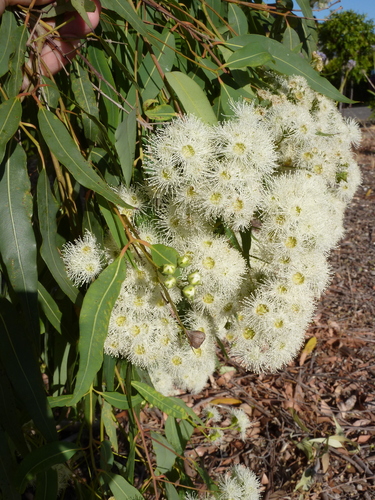
A small tree. It loses many leaves during the year. It grows 4-6 m tall. The leaves are papery and 2-4.5 cm long. There are hairs on the main vein. The flowers are heaped in clusters on the trunk and branches. The fruit are smooth and round. They are 3-4 cm across and black. They contain 1-4 seeds. The pulp is juicy and sweet.
How to Grow
Plants are grown from seed.
Propagation: Seed - it has a short viability and so is best sown as soon as it is ripe. Sow in a semi-shaded position in a nursery seedbed. Germination rates can be 60% or more, with the seed sprouting within 25 - 35 days. The seedlings grow fairly slowly.
Wikipedia
Source ↗Plinia oblongata, commonly known as jaboticaba azeda (sour jabuticaba), is a species of plant in the family Myrtaceae. It is endemic to south-eastern Brazil. The tree grows to between 4 and 6 metres tall, and produces dark-purple, acidic but edible fruit, which is between 25 and 30mm in diameter.
Other Information
It is a cultivated fruit tree.
Names & Synonyms
References (2)
- Lorenzi, H., Bacher, L., Lacerda, M. & Sartori, S., 2006, Brazilian Fruits & Cultivated Exotics. Sao Paulo, Instituto Plantarum de Estuados da Flora Ltda. p 229
- www.colecionandofrutas.org