Astragalus atropilosulus
(Hochst.) Bunge
Nachilare

(c) Ali Mohammed Alzahrani, some rights reserved (CC BY-NC)

(c) Tony KM, some rights reserved (CC BY)
What to Eat
Edible parts: Leaves, Root, Vegetable
The leaves are used as a side dish and are sometimes mixed with the leaves of Solanum nigrum. The roots are added to hot milk to help a woman having uterine pains after childbirth.
Where to Find It
It is a tropical plant.
Africa, East Africa, Kenya, Malawi, Zambia,
How to Identify
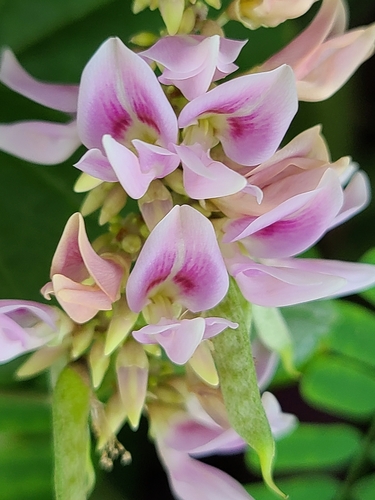
A herb. It has an erect stem about 1 m high. There are a few branches. The leaves are compound. They are 1-3 cm long. There are 10-15 pairs of leaflets. The flowers are bright yellow. They are in large groups. The pods are small and papery.
Medicinal Uses
A decoction of the roots is added to hot milk and given to women with uterine pains after childbirth. Phytochemical analysis of the whole plant showed the presence of alkaloids, flavonoids, tannins, volatile oils and sterols/triterpenes. An ethanolic extract produced a decrease in heart contractions and a fall in blood pressure, neuromuscular blocking activity, and hypernatraemia.
Wikipedia
Source ↗Astragalus atropilosulus is a perennial herb in the family Fabaceae. It is native to Eastern Africa and some parts of the Arabian Peninsula. It is used as a vegetable in Malawi and Kenya.
Notes
There are about 2,000 Astragalus species.
References (7)
- Fowler, D. G., 2007, Zambian Plants: Their Vernacular Names and Uses. Kew. p 80
- Grubben, G. J. H. and Denton, O. A. (eds), 2004, Plant Resources of Tropical Africa 2. Vegetables. PROTA, Wageningen, Netherlands. p 93
- Mem. Acad. Imp. Sci. Saint Petersbourg, Sér. 7, 11(16):4. 1868; 15(1):4. 1869
- Mutie, F. M., et al, 2023, Important Medicinal and Food Taxa (Orders and Families) in Kenya, Based on Three Quantitative Approaches. Plants 2023, 12, 1145
- Peters, C. R., O'Brien, E. M., and Drummond, R.B., 1992, Edible Wild plants of Sub-saharan Africa. Kew. p 131
- Williamson, J., 2005, Useful Plants of Malawi. 3rd. Edition. Mdadzi Book Trust. p 33
- World Checklist of Useful Plant Species 2020. Royal Botanic Gardens, Kew