Cadaba kirkii
Oliv.
Large-flowered wormbush
CapparaceaeFruit

iNaturalist · cc-by-nc
(c) Troos van der Merwe, some rights reserved (CC BY-NC)
(c) Troos van der Merwe, some rights reserved (CC BY-NC)

iNaturalist · cc-by-nc
(c) Troos van der Merwe, some rights reserved (CC BY-NC)
(c) Troos van der Merwe, some rights reserved (CC BY-NC)

iNaturalist · cc-by-nc
(c) Troos van der Merwe, some rights reserved (CC BY-NC)
(c) Troos van der Merwe, some rights reserved (CC BY-NC)
What to Eat
Edible parts: Fruit
The fruits are edible.
Where to Find It
It is a tropical plant. It grows on termite mounds in woodland. It grows in drier low altitude woodlands.
Africa, East Africa, Malawi, Mozambique, Tanzania, Zambia, Zimbabwe,
Countries: Angola, Burkina Faso, Burundi, Benin, Botswana, Congo (DRC), Central African Republic, Congo (Republic), Cote d'Ivoire, Cameroon, Cape Verde, Djibouti, Algeria, Egypt, Eritrea, Ethiopia, Gabon, Ghana, Gambia, Guinea, Equatorial Guinea, Guinea-Bissau, Kenya, Comoros, Liberia, Lesotho, Libya, Morocco, Madagascar, Mali, Mauritania, Mauritius, Malawi, Mozambique, Namibia, Niger, Nigeria, Rwanda, Seychelles, Sudan, Sierra Leone, Senegal, Somalia, South Sudan, Sao Tome & Principe, Eswatini, Chad, Togo, Tunisia, Tanzania, Uganda, South Africa, Zambia, Zimbabwe
How to Identify
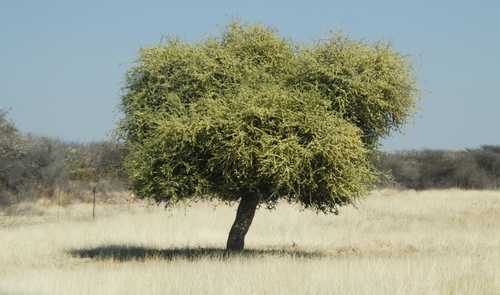
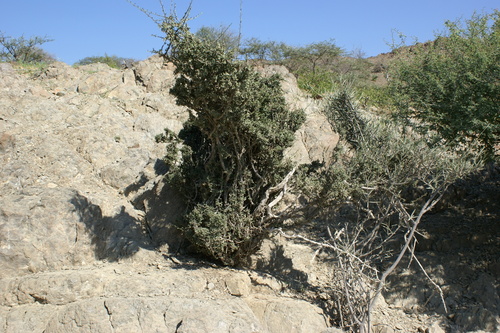
A shrub or small tree. It keeps its leaves throughout the year. It can grow up to 3.6 m high. It has weak stems and many branches. The leaves are fleshy. They are narrowly oval and 2.5 cm long by 2 cm wide. The leaf stalks are slender. The flowers are yellow or white. The petals are large. The fruit are narrow and fleshy. They contain several orange coloured seeds.
Notes
There are about 30 Cadaba species.
Names & Synonyms
Nswadji
References (5)
- East African Herbarium records, 1981,
- Fowler, D. G., 2007, Zambian Plants: Their Vernacular Names and Uses. Kew. p 16
- Le Houerou, H. N., (Ed.), 1980, Browse in Africa. The current state of knowledge. International Livestock Centre for Africa, Ethiopia. p 162
- Peters, C. R., O'Brien, E. M., and Drummond, R.B., 1992, Edible Wild plants of Sub-saharan Africa. Kew. p 76
- Williamson, J., 2005, Useful Plants of Malawi. 3rd. Edition. Mdadzi Book Trust. p 48