Convolvulus pilosellifolius
Desr.
Morning glory, Bindweed
ConvolvulaceaeLeaves
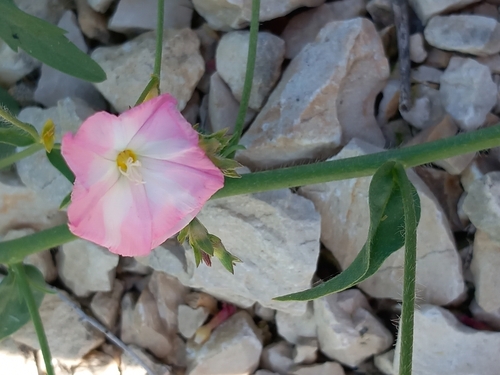
iNaturalist · cc-by-nc
(c) sigalgeva, some rights reserved (CC BY-NC), uploaded by sigalgeva
(c) sigalgeva, some rights reserved (CC BY-NC), uploaded by sigalgeva
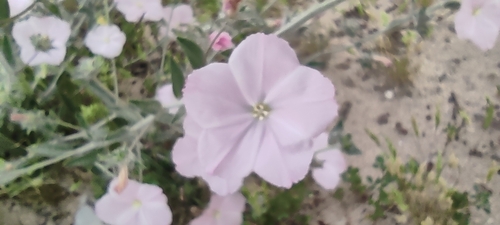
iNaturalist · cc-by-nc
(c) Irvin Sabastian, some rights reserved (CC BY-NC), uploaded by Irvin Sabastian
(c) Irvin Sabastian, some rights reserved (CC BY-NC), uploaded by Irvin Sabastian
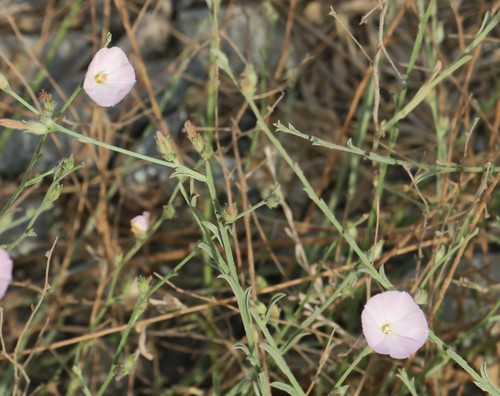
iNaturalist · cc-by-nc
(c) Altaf Habib, some rights reserved (CC BY-NC), uploaded by Altaf Habib
(c) Altaf Habib, some rights reserved (CC BY-NC), uploaded by Altaf Habib
What to Eat
Edible parts: Leaves, Leaves - flavouring
The leaves are eaten raw as salad and also cooked with rice as a flavoring.
Where to Find It
In Bahrain it grows on sandy and gravelly soils.
Bahrain, Central Asia, Kuwait, Middle East, Qatar, Saudi Arabia, Tajikistan, United Arab Emirates, UAE,
Countries: United Arab Emirates, Bahrain, Israel, Iraq, Iran, Jordan, Kyrgyzstan, Kuwait, Kazakhstan, Lebanon, Oman, Qatar, Saudi Arabia, Syria, Tajikistan, Turkmenistan, Uzbekistan, Yemen
How to Identify
A herb that keeps growing from year to year. It has many branches. It grows 15-25 cm high. It can spread 60 cm wide. The leaves are pale green and alternate. They are hairy. The lower leaves are oblong and taper to the leaf stalk. The upper leaves are smaller and do not have leaf stalks. The flowers are white or pink. The flowers occur singly or in pairs on long stalks in the axils of leaves.
Names & Synonyms
Fatgha, Khatmee
References (2)
- Norton, J., et al, 2009, An Illustrated Checklist of the Flora of Qatar. UNESCO Office in Doha.
- Phillips, D.C., 1988, Wild Flowers of Bahrain. A Field Guide to Herbs, Shrubs, and Trees. Privately published. p 140


