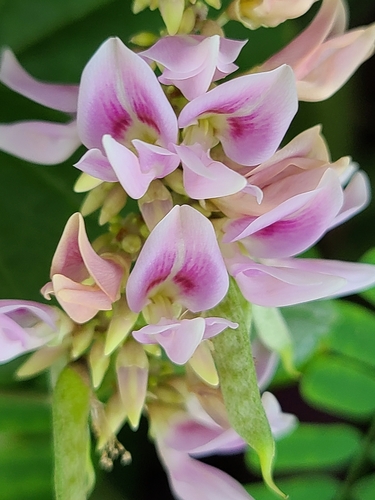
Acacia asak
(Forssk.) Willd.
FabaceaeBark/Sap
iNaturalist · cc-by-nc-sa
(c) Ateah Alfakih, some rights reserved (CC BY-NC-SA)
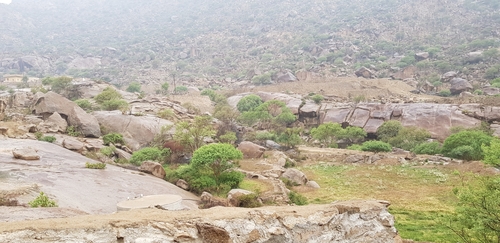
(c) Ateah Alfakih, some rights reserved (CC BY-NC-SA)
What to Eat
Edible parts: Gum
The gum of this plant is edible.
Where to Find It
It is a tropical plant. It is a drought resistant plant.
Africa, Djibouti, East Africa, Ethiopia, Middle East, North Africa, Saudi Arabia, Socotra, Sudan, Yemen,
Countries: United Arab Emirates, Angola, Burkina Faso, Bahrain, Burundi, Benin, Botswana, Congo (DRC), Central African Republic, Congo (Republic), Cote d'Ivoire, Cameroon, Cape Verde, Djibouti, Algeria, Egypt, Eritrea, Ethiopia, Gabon, Ghana, Gambia, Guinea, Equatorial Guinea, Guinea-Bissau, Israel, Iraq, Iran, Jordan, Kenya, Comoros, Kuwait, Lebanon, Liberia, Lesotho, Libya, Morocco, Madagascar, Mali, Mauritania, Mauritius, Malawi, Mozambique, Namibia, Niger, Nigeria, Oman, Qatar, Rwanda, Saudi Arabia, Seychelles, Sudan, Sierra Leone, Senegal, Somalia, South Sudan, Sao Tome & Principe, Syria, Eswatini, Chad, Togo, Tunisia, Tanzania, Uganda, Yemen, South Africa, Zambia, Zimbabwe
How to Identify
A shrub or small tree. It grows 5 m tall. There are prickles along the stem. The leaves are twice divided and there are 8-18 pairs of pinnae. There are up to 50 pairs of pinnules on each pinnae. The flowers are yellow. They are in large clusters at the ends of branches. The pods are flattened.
How to Grow
Plants can be gown from seeds.
Notes
There are about 1,350 Acacia species. Over 1,000 occur in Australia. Also as Mimosaceae.
Names & Synonyms
Acacia glaucophylla A. Rich.
References (3)
- East African Herbarium records, 1981,
- Hedrick, U.P., 1919, (Ed.), Sturtevant's edible plants of the world. p 19 (As Acacia glaucophylla)
- Peters, C. R., O'Brien, E. M., and Drummond, R.B., 1992, Edible Wild plants of Sub-saharan Africa. Kew. p 125