Phytolacca heptandra
Retz.

iNaturalist · cc-by-nc
(c) Troos van der Merwe, some rights reserved (CC BY-NC), uploaded by Troos van der Merwe
(c) Troos van der Merwe, some rights reserved (CC BY-NC), uploaded by Troos van der Merwe

iNaturalist · cc-by-nc
(c) Troos van der Merwe, some rights reserved (CC BY-NC), uploaded by Troos van der Merwe
(c) Troos van der Merwe, some rights reserved (CC BY-NC), uploaded by Troos van der Merwe

iNaturalist · cc-by-nc
(c) Troos van der Merwe, some rights reserved (CC BY-NC), uploaded by Troos van der Merwe
(c) Troos van der Merwe, some rights reserved (CC BY-NC), uploaded by Troos van der Merwe
What to Eat
Edible parts: Fruit, Leaves, Stem
The fruit is eaten as a snack. The leaves and stems are also edible.
Where to Find It
It is a subtropical plant. It is rare in Swaziland.
Africa, Eswatini, South Africa, Southern Africa, Swaziland,
Countries: Angola, Burkina Faso, Burundi, Benin, Botswana, Congo (DRC), Central African Republic, Congo (Republic), Cote d'Ivoire, Cameroon, Cape Verde, Djibouti, Algeria, Egypt, Eritrea, Ethiopia, Gabon, Ghana, Gambia, Guinea, Equatorial Guinea, Guinea-Bissau, Kenya, Comoros, Liberia, Lesotho, Libya, Morocco, Madagascar, Mali, Mauritania, Mauritius, Malawi, Mozambique, Namibia, Niger, Nigeria, Rwanda, Seychelles, Sudan, Sierra Leone, Senegal, Somalia, South Sudan, Sao Tome & Principe, Eswatini, Chad, Togo, Tunisia, Tanzania, Uganda, South Africa, Zambia, Zimbabwe
How to Identify
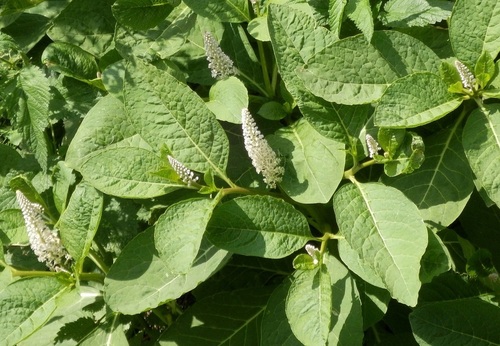
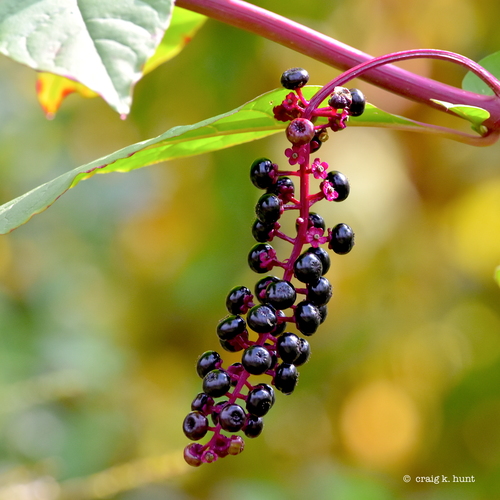
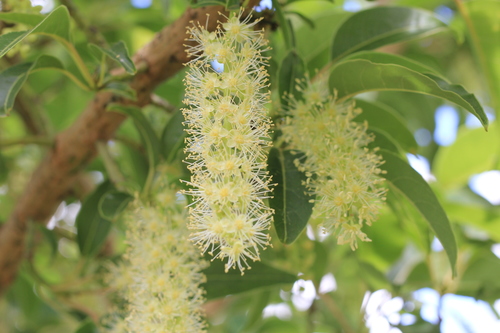
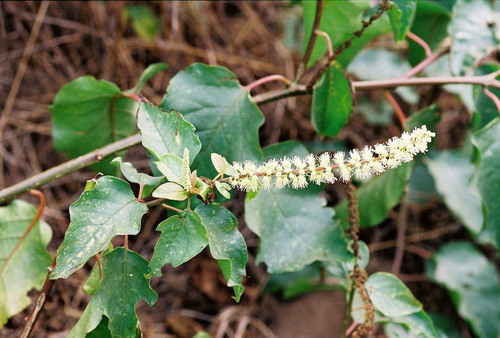
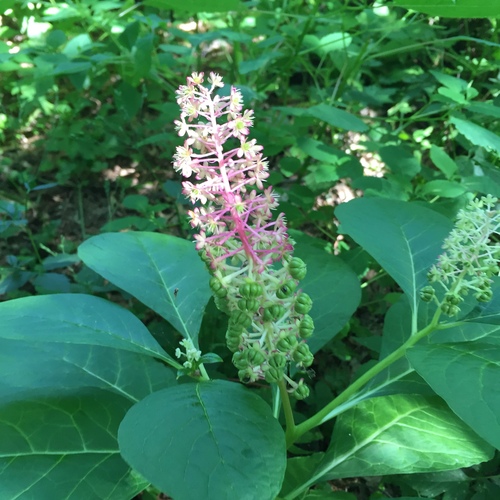
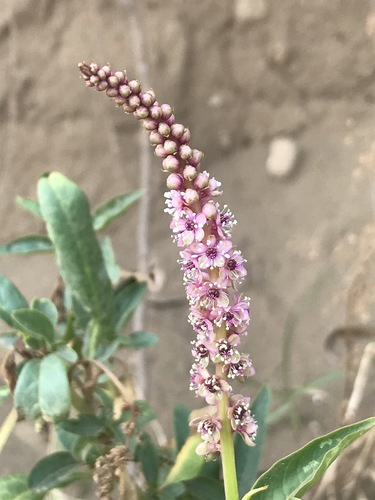
A herb. It grows 1 m tall. The stems are soft. The leaves are alternate with a narrow blade 11 cm long by 4 cm wide. There are a few flowers on a spike. The flowers are green. The fruit is a collection of 5-7 small fruitlets. Each one is 2-3 mm long. They have deep lobes and are reddish.
Names & Synonyms
Phytolacca stricta O. Hoffm.Pircunia stricta Hoffm.
References (8)
- Dalziel, 1937,
- Guillarmod, J., 1971,
- Peters, C. R., O'Brien, E. M., and Drummond, R.B., 1992, Edible Wild plants of Sub-saharan Africa. Kew. p 160
- Ruiters-Welcome, A. K., 2019, Food plants of southern Africa. Ph.D. thesis. Univ. of Johannesburg p 86
- Swaziland's Flora Database http://www.sntc.org.sz/flora
- Vinnicombe, 1976,
- Welcome, A. K. & Van Wyk, B.-E., 2019, An inventory and analysis of the food plants of southern Africa. South African Journal of Botany 122 (2019) 136–179
- World Checklist of Useful Plant Species 2020. Royal Botanic Gardens, Kew