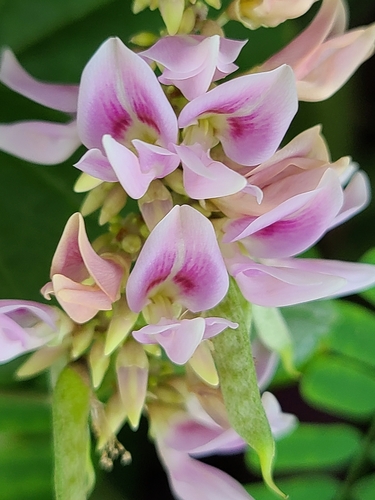
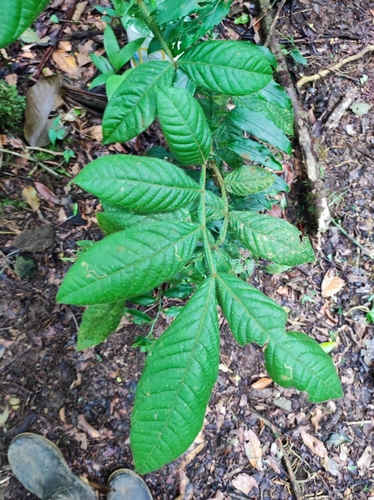
Inga cotobrusensis
N. Zamora & T. D. Penn.
Bu
iNaturalist · cc-by-nc
(c) Leonardo Álvarez-Alcázar, some rights reserved (CC BY-NC)
(c) Leonardo Álvarez-Alcázar, some rights reserved (CC BY-NC)

iNaturalist · cc0
no rights reserved, uploaded by Abhas Misraraj
no rights reserved, uploaded by Abhas Misraraj

iNaturalist · cc-by-nc
(c) Tony Iwane, some rights reserved (CC BY-NC), uploaded by Tony Iwane
(c) Tony Iwane, some rights reserved (CC BY-NC), uploaded by Tony Iwane
What to Eat
Edible parts: Fruit
The fruit pods are eaten.
Known Hazards
Where to Find It
It is a tropical plant. It has been recorded at 1,100-1,600 m above sea level.
Central America, Costa Rica,
Countries: Belize, Costa Rica, Guatemala, Honduras, Nicaragua, Panama, El Salvador
How to Identify
A tropical tree in the Fabaceae family that produces elongated fruit pods. It grows at elevations of 1,100-1,600 m and propagates easily from seed, which germinates within 1-2 weeks under moist, shaded conditions.
How to Grow
Plants grow easily from seeds. Seeds germinate in 1-2 weeks given moisture and shade.
Notes
Also as Mimosaceae.
Names & Synonyms
Guaba
References (2)
- Castaneda, H., & Stepp, J. R., 2007, Ecosystems as Sources of Useful Plants for the Guaymi People of Costa Rica. Ethnobotany Journal. 5:249-257
- Langlois, H. C., 2004, Ethnobotanical analysis of different successional stages as sources of wild edible plants for the Guaymi people in Costa Rica. M. Sc. thesis University of Florida.