Cyrtocarpa edulis
(Brandegee) Standl.
Edible cyrtocarpa, Cape wild plum
(c) Nohel Alfredo Martínez Armendares, some rights reserved (CC BY-NC), uploaded by Nohel Alfredo Martínez Armendares

(c) Enrique Flores García, some rights reserved (CC BY-NC)
What to Eat
Edible parts: Fruit, Seeds, Nuts
This species has been introduced into horticultural circles via the Huntington Botanical Gardens International Succulent Introductions program in 2021. It can be propagated from both seed or cuttings, as the branches may be sufficiently succulent to root. The edible fruit is used locally. The drought-tolerant nature of this species may make it a viable fruit crop for arid land.
Where to Find It
It is a tropical plant. It grows in the SW Baja California peninsula in Mexico. It grows along the coastal arid strip. It suits hardiness zones 9b-12.
Mexico, North America,
How to Identify
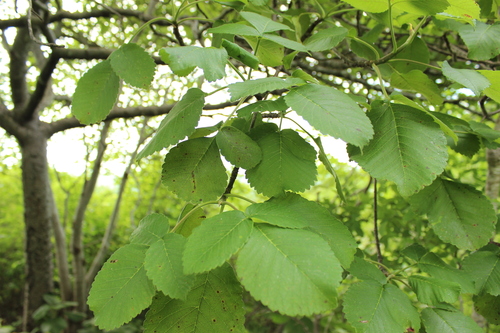
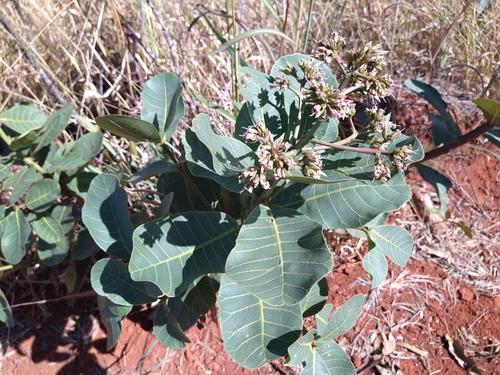
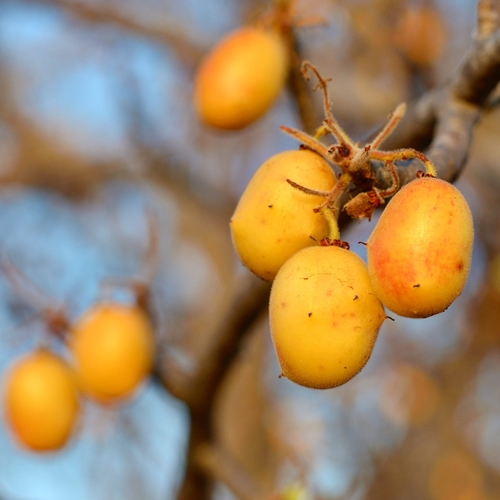
A tree. It loses its leaves in the winter. It grows 6 m tall. The stems are fleshy and branches twisted The leaves are compound with leaflets in pairs along the stalk. The fruit are yellow and the pulp is yellow. They are 2 cm long.
How to Grow
Plants can be grown from seeds.
Wikipedia
Source ↗Cyrtocarpa edulis is a species of perennial sarcocaulescent tree commonly known as the Cimarrón plum or Cape wild-plum. It is in the genus Cyrtocarpa, and is endemic to Baja California Sur. This plant is characterized by fleshy stems, twisted branches and an edible drupe.
Other Information
Fruit are sold in local markets.
Notes
There are 5 Cyrtocarpa species.
Names & Synonyms
Ciruela, Ciruelo
References (8)
- Bioversity New World Fruits Database
- Fouqué, A. 1972. Espèces fruitières d'Amérique tropicale. Institut français de recherches fruitierès outre-mer (ifac)
- Grandtner, M. M., 2008, World Dictionary of Trees. Wood and Forest Science Department. Laval University, Quebec, Qc Canada. (Internet database http://www.WDT.QC.ca)
- Leon de la Luz, J. L., 2007, A New variety of Cyrtocarpa edulis (Anacardiaceae) Acta Botanica Mexicana 79:63-67. (As Cyrtocarpa edulis var. glabra)
- Pio-Leon, J. F., et al, 2017, Prioritizing Wild Edible Plants of potential new crops based on Deciduous Forest traditional knowledge by a Rancher community. Botanical Sciences 95(1): 47-59
- Segura, S. et al, 2018, The edible fruit species in Mexico. Genet Resour Crop Evol (2018) 65:1767–1793
- World Checklist of Useful Plant Species 2020. Royal Botanic Gardens, Kew
- www.desert-tropicals.com