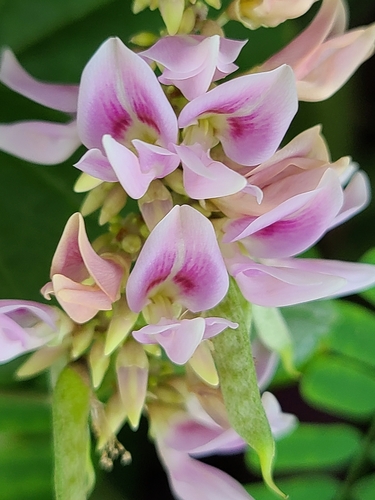
Pithecellobium keyense
Britton ex Britton & Rose
Keys blackbead
FabaceaeSeeds/Nuts

iNaturalist · cc-by
(c) Melissa McMasters, some rights reserved (CC BY)
(c) Melissa McMasters, some rights reserved (CC BY)
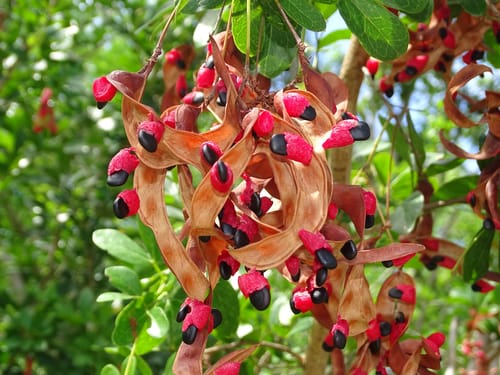
iNaturalist · cc-by-nc
(c) Ryan Fessenden, some rights reserved (CC BY-NC)
(c) Ryan Fessenden, some rights reserved (CC BY-NC)
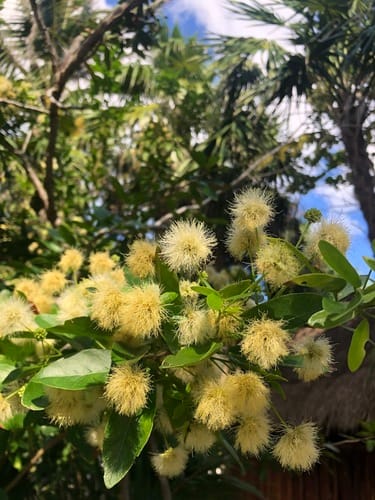
iNaturalist · cc-by-nc
(c) Eco-Bahia, some rights reserved (CC BY-NC)
(c) Eco-Bahia, some rights reserved (CC BY-NC)
What to Eat
Edible parts: Seeds
The seeds are eaten.
Where to Find It
It is a tropical and subtropical plant.
Bahamas, Belize, Caribbean, Central America, Cuba, Guadeloupe, Guatemala, Mexico, Nicaragua, North America, USA, West Indies,
Countries: Antigua & Barbuda, Barbados, Bahamas, Belize, Canada, Costa Rica, Cuba, Dominica, Dominican Republic, Grenada, Guatemala, Honduras, Haiti, Jamaica, St Kitts & Nevis, St Lucia, Mexico, Nicaragua, Panama, Puerto Rico, El Salvador, Trinidad & Tobago, United States, St Vincent
How to Identify
A tropical and subtropical tree in the legume family (Fabaceae), known by the common names Keys blackbead. It produces seeds that are edible.
Wikipedia
Source ↗Pithecellobium keyense, commonly called Florida Keys blackbead', or Florida Key apes-earring, is a species of flowering plant in the legume family (Fabaceae).
Notes
Also as Mimosaceae. There are 2 plants with the same scientific name but different authorities.
Names & Synonyms
Pithecellobium bahamense var. keyense (Britton) Morton ex IselyPithecellobium guadelupense (Pers.) ChapmanZygia guadalupensis A. A. Heller
References (2)
- Grandtner, M. M., 2008, World Dictionary of Trees. Wood and Forest Science Department. Laval University, Quebec, Qc Canada. (Internet database http://www.wdt.qc.ca)
- Reis, S. V. and Lipp, F. L., 1982, New Plant Sources for Drugs and Foods from the New York Botanical Garden herbarium. Harvard. p 116