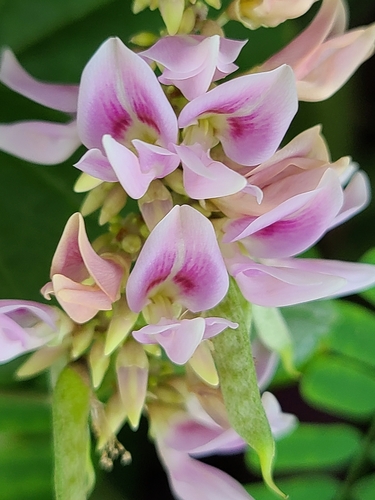
Prosopis laevigata
(Humb. & Bonpl. ex Willd.) M. C. Johnst.
Smooth mesquite
FabaceaeFruit
iNaturalist · cc-by
(c) Alexis López Hernández, some rights reserved (CC BY)
(c) Alexis López Hernández, some rights reserved (CC BY)
iNaturalist · cc-by
(c) Alexis López Hernández, some rights reserved (CC BY)
(c) Alexis López Hernández, some rights reserved (CC BY)
iNaturalist · cc-by
(c) Alexis López Hernández, some rights reserved (CC BY)
(c) Alexis López Hernández, some rights reserved (CC BY)
What to Eat
Edible parts: Fruit
The pulp of the seed pods is eaten as food.
Where to Find It
It is a tropical plant.
Andes, Argentina, Bolivia, Mexico, North America, Peru, South America, USA,
Countries: Antigua & Barbuda, Argentina, Barbados, Bolivia, Brazil, Bahamas, Belize, Canada, Chile, Colombia, Costa Rica, Cuba, Dominica, Dominican Republic, Ecuador, Grenada, French Guiana, Guatemala, Guyana, Honduras, Haiti, Jamaica, St Kitts & Nevis, St Lucia, Mexico, Nicaragua, Panama, Peru, Puerto Rico, Paraguay, Suriname, El Salvador, Trinidad & Tobago, United States, Uruguay, St Vincent, Venezuela
How to Identify
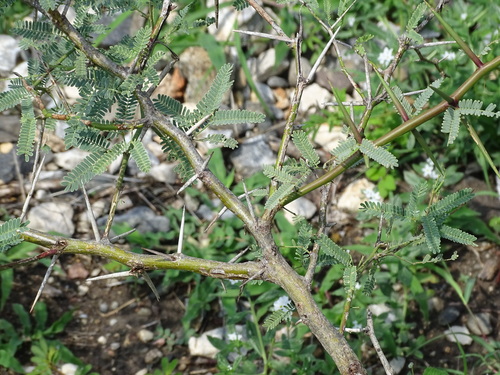
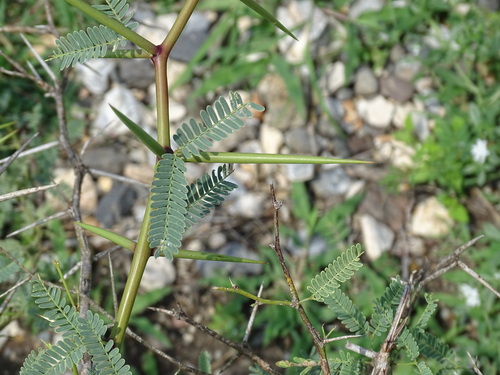
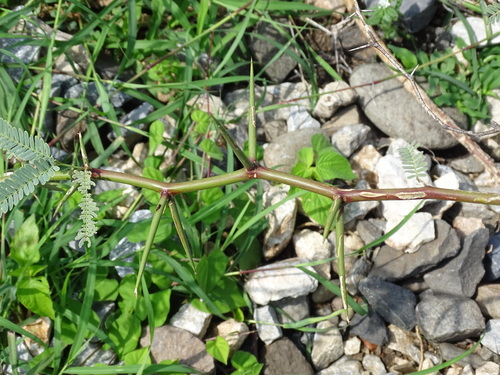
A tropical legume tree that produces elongated pods. Prosopis laevigata is also known as smooth mesquite.
Notes
Also as Mimosaceae.
Names & Synonyms
Chucata, Mezquite, Tziritzecua, Utuh
Acacia laevigata Hunb. & Bonpl. ex Willd.Algarobia dulcis (Kunth) Benth.Mimosa laevigata (Humb. & Bonpl. ex Willd.) Poir.Neltuma attentuata Britton & Rose
Prosopis dulcis Kunth
References (11)
- Casas, A., et al, 1996, Plant Management Among the Nahua and the Mixtec in the Balsas River Basin, Mexico: An Ethnobotanical Approach to the Study of Plant Domestication. Human Ecology, Vol. 24, No. 4 pp. 455-478
- Flores, M. P., et al, 2007, Estudio Etnobotanico De Zapotitlan Salinas, Puebla, Acta Botanica Mexicana, Mexico. p 24
- Grandtner, M. M., 2008, World Dictionary of Trees. Wood and Forest Science Department. Laval University, Quebec, Qc Canada. (Internet database http://www.wdt.qc.ca)
- Grandtner, M. M. & Chevrette, J., 2013, Dictionary of Trees, Volume 2: South America: Nomenclature, Taxonomy and Ecology. Academic Press p 534
- Kermath, B. M., et al, 2014, Food Plants in the Americas: A survey of the domesticated, cultivated and wild plants used for Human food in North, Central and South America and the Caribbean. On line draft. p 704
- Martin, F. W., et al, 1987, Perennial Edible Fruits of the Tropics. USDA Handbook 642 p 99
- Piedra-Malagón, E. M., et al, 2022, Edible native plants of the Gulf of Mexico Province. Biodiversity Data Journal 10: e80565 p 23
- Rangel-Landa, S., et al, 2017, Sociocultural and ecological factors influencing management of edible and non-edible plants: the case of Ixcatlan, Mexico. Journal of Ethnobiology and Ethnomedicine. 13:59
- Thomas, E., et al, 2008, The Relationship Between Plant Use and Plant Diversity in the Bolivian Andes, with Special Reference to Medicinal Plant Use. Hum Ecol (2008) 36:861–879
- Thomas, E., et al, 2009, The relation between accessibility, diversity and indigenous valuation of vegetation in the Bolivian Andes. Journal or Arid Environments 73:854-861
- Wiersema, J. H. & Leon, B., 2013, World Economic Plants. A Standard Reference CRC Press. 2nd Ed. p 558