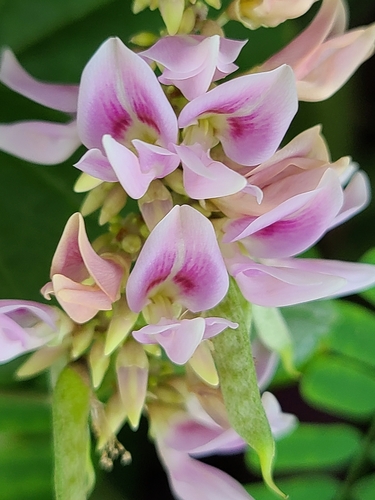
Uribea tamarindoides
Dugand & Romero
Tamarind like uribea
FabaceaeFruit
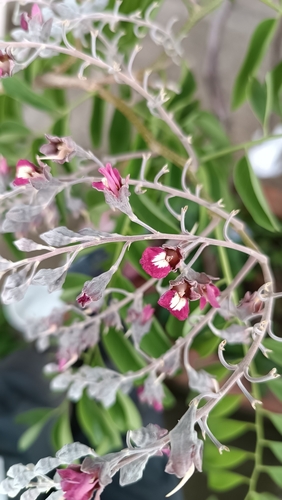
iNaturalist · cc-by-nc
(c) Juan Diego Mora López, some rights reserved (CC BY-NC), uploaded by Juan Diego Mora López
(c) Juan Diego Mora López, some rights reserved (CC BY-NC), uploaded by Juan Diego Mora López
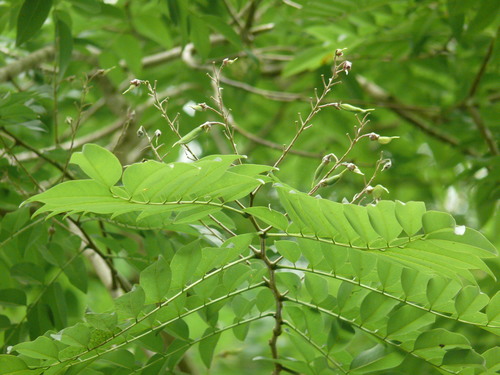
iNaturalist · cc-by-nc
(c) Yeison Herrera Medina, some rights reserved (CC BY-NC), uploaded by Yeison Herrera Medina
(c) Yeison Herrera Medina, some rights reserved (CC BY-NC), uploaded by Yeison Herrera Medina
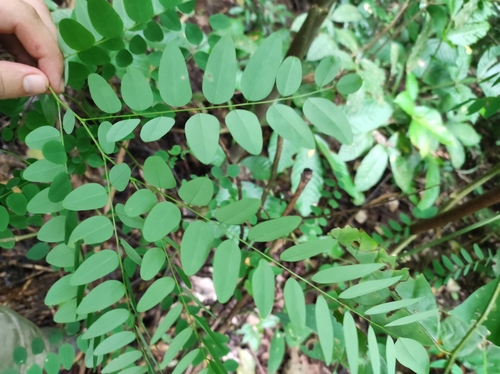
iNaturalist · cc-by-nc
(c) Leonardo Álvarez-Alcázar, some rights reserved (CC BY-NC), uploaded by Leonardo Álvarez-Alcázar
(c) Leonardo Álvarez-Alcázar, some rights reserved (CC BY-NC), uploaded by Leonardo Álvarez-Alcázar
What to Eat
Edible parts: Fruit
The aril or fleshy layer surrounding the seeds is eaten, with a flavor similar to tamarind.
Where to Find It
It is a tropical plant.
Central America, Colombia, Costa Rica, Panama, South America,
How to Identify
A tree. It grows 30-50 m tall. The leaves are 10-18 cm long and divided into leaflets with one at the end. There are 12-17 leaflets and they are alternate. They are 4-8.5 cm long by 1.7-3.5 cm wide. The fruit are 4-8 cm long by 1.8-2.5 cm wide.
Other Uses
The wood is heavy, very hard, durable. It is generally too hard for local populations to use and is of limited availability and is little exploited commercially
Names & Synonyms
Algarrobillo, Almendro, Arco, Granadillo, Tamarindo, Tamarindo de mico
References (6)
- Grandtner, M. M., 2008, World Dictionary of Trees. Wood and Forest Science Department. Laval University, Quebec, Qc Canada. (Internet database http://www.wdt.qc.ca)
- Grandtner, M. M. & Chevrette, J., 2013, Dictionary of Trees, Volume 2: South America: Nomenclature, Taxonomy and Ecology. Academic Press p 683
- Kermath, B. M., et al, 2014, Food Plants in the Americas: A survey of the domesticated, cultivated and wild plants used for Human food in North, Central and South America and the Caribbean. On line draft. p 889
- Kew Plants of the World On line
- Lopez-Diago, D. & Garcia, N., 2021, Wild edible fruits of Colombia. Biota ColomBiana 22 (2) p 39
- Roa, J. A. G. & Boada, D. S. G., 2018, Fundación para el Fortalecimiento de la Fruticultura y Plantas Alimenticias no Convencionales en Colombia.