Yucca valida
Brandegee
Strong yucca

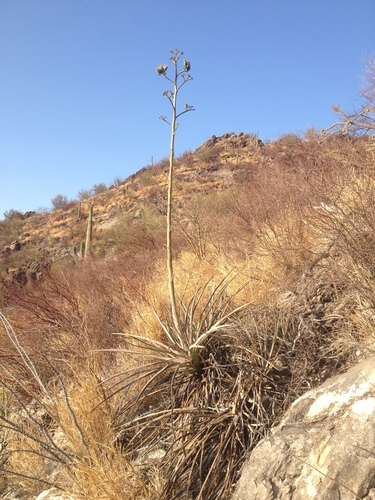
(c) Mark Fishbein, some rights reserved (CC BY-NC), uploaded by Mark Fishbein

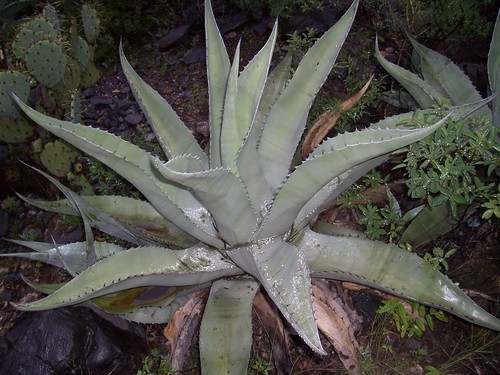
(c) Mark Fishbein, some rights reserved (CC BY-NC), uploaded by Mark Fishbein

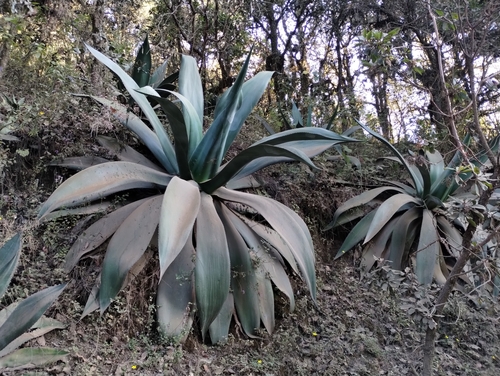
(c) 2015 Barry Rice, some rights reserved (CC BY-NC-SA)
What to Eat
Edible parts: Flower, Vegetable
The flower buds are eaten. The flowers are cooked, ground, and made into candy.
Known Hazards
Where to Find It
It is a subtropical plant. It grows in the Sonoran desert.
Mexico, North America, USA,
How to Identify
A tree-like plant from the Asparagaceae family (also placed in Agavaceae) native to the Sonoran desert, growing up to 7 m tall in subtropical conditions.
Medicinal Uses
None mentioned in provided data.
Wikipedia
Source ↗Yucca valida is a plant species in the family Asparagaceae, native to the Mexican states of Baja California, Baja California Sur, Sonora, and Sinaloa. The common name is datilillo. Yucca valida is a large, branched species up to 7 m (23 feet) tall. Leaves are rigid and lance-like, up to 35 cm (14 inches) long. Dead leaves hang onto the plant below the living leaves, forming a skirt around the trunk. Flowers are white, forming juicy, edible black fruits up to 4.5 cm (1.8 inches) long.
Notes
Also put in the family Agavaceae.
Names & Synonyms
Datilillo
References (3)
- Grandtner, M. M., 2008, World Dictionary of Trees. Wood and Forest Science Department. Laval University, Quebec, Qc Canada. (Internet database http://www.wdt.qc.ca)
- Kermath, B. M., et al, 2014, Food Plants in the Americas: A survey of the domesticated, cultivated and wild plants used for Human food in North, Central and South America and the Caribbean. On line draft. p 936
- Pio-Leon, J. F., et al, 2017, Prioritizing Wild Edible Plants of potential new crops based on Deciduous Forest traditional knowledge by a Rancher community. Botanical Sciences 95(1): 47-59