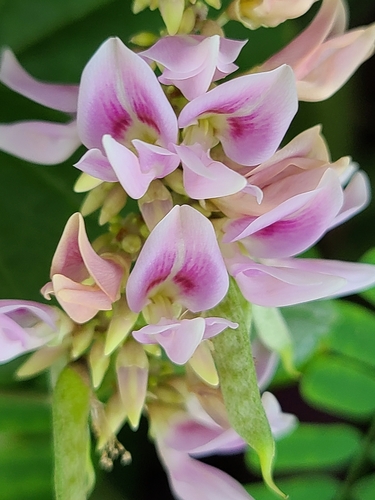
Cassia holosericea
Fresen,
Jangli sana

iNaturalist · cc-by-nc
(c) Nick Helme, some rights reserved (CC BY-NC)
(c) Nick Helme, some rights reserved (CC BY-NC)
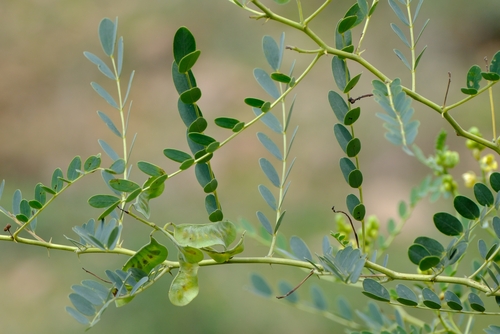
iNaturalist · cc-by-nc
(c) Nick Helme, some rights reserved (CC BY-NC)
(c) Nick Helme, some rights reserved (CC BY-NC)
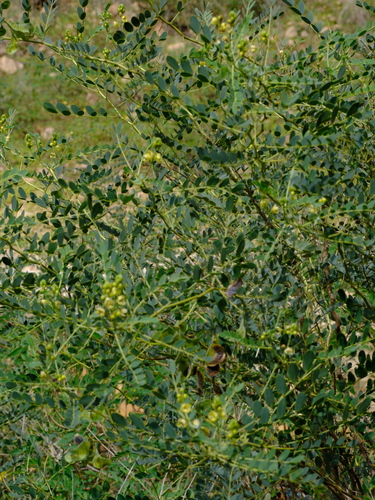
iNaturalist · cc-by-nc
(c) Nick Helme, some rights reserved (CC BY-NC)
(c) Nick Helme, some rights reserved (CC BY-NC)
What to Eat
Edible parts: Leaves, Fruit, Seeds
The leaves are moist and mucilaginous and were traditionally used in Dhofar as cleaning material to wipe writing boards.
Where to Find It
It is a tropical plant.
Africa, Asia, East Africa, Ethiopia, Middle East, Oman, Pakistan,
Countries: United Arab Emirates, Afghanistan, Armenia, Angola, Azerbaijan, Bangladesh, Burkina Faso, Bahrain, Burundi, Benin, Brunei, Bhutan, Botswana, Congo (DRC), Central African Republic, Congo (Republic), Cote d'Ivoire, Cameroon, China, Cape Verde, Djibouti, Algeria, Egypt, Eritrea, Ethiopia, Gabon, Georgia, Ghana, Gambia, Guinea, Equatorial Guinea, Guinea-Bissau, Indonesia, Israel, India, Iraq, Iran, Jordan, Japan, Kenya, Kyrgyzstan, Cambodia, Comoros, North Korea, South Korea, Kuwait, Kazakhstan, Laos, Lebanon, Sri Lanka, Liberia, Lesotho, Libya, Morocco, Madagascar, Mali, Myanmar, Mongolia, Mauritania, Mauritius, Maldives, Malawi, Malaysia, Mozambique, Namibia, Niger, Nigeria, Nepal, Oman, Philippines, Pakistan, Qatar, Rwanda, Saudi Arabia, Seychelles, Sudan, Singapore, Sierra Leone, Senegal, Somalia, South Sudan, Sao Tome & Principe, Syria, Eswatini, Chad, Togo, Thailand, Tajikistan, Timor-Leste, Turkmenistan, Tunisia, Turkey, Taiwan, Tanzania, Uganda, Uzbekistan, Vietnam, Yemen, South Africa, Zambia, Zimbabwe
How to Identify
A shrub. It grows 20-120 cm high. The branches are hairy. The leaves are 5-12.5 cm long. The flowers are in groups in the axils of leaves.
Notes
Probably edible. Also as Caesalpinaceae.
References (3)
- Flora of Pakistan. www.eFlora.org
- Molla, A., Ethiopian Plant Names. http://www.ethiopic.com/aplants.htm
- Miller, A. G., Morris, M. & Stuart-Smith, S., 1988, Plants of Dhofar. The Southern Region of Oman, Traditional, Economic and Medicinal Uses. Sultanate of Oman. p 162