Geoffroea spinosa
Jacq.
Umari
(c) alexandre callou sampaio, some rights reserved (CC BY-NC), uploaded by alexandre callou sampaio

(c) Adriana Encarnación, some rights reserved (CC BY-NC), uploaded by Adriana Encarnación
(c) alexandre callou sampaio, some rights reserved (CC BY-NC), uploaded by alexandre callou sampaio
What to Eat
Edible parts: Fruit, Seeds
The unripe fruit are boiled in water, while ripe fruit are cooked in fire or ashes. The fruit can be boiled and the kernels eaten like beans. It is eaten as a famine food when other food is scarce.
Known Hazards
Where to Find It
It is a subtropical plant. In Argentina it grows from sea level to 2,500 m above sea level. It grows in northeast Brazil in flooded lowlands.
Amazon, Argentina, Bolivia, Brazil, Colombia, Ecuador, Paraguay, Peru, South America*, Venezuela,
How to Identify
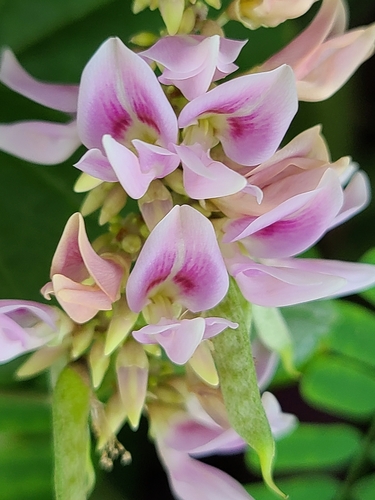
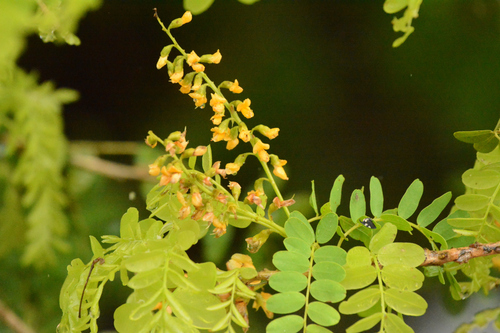
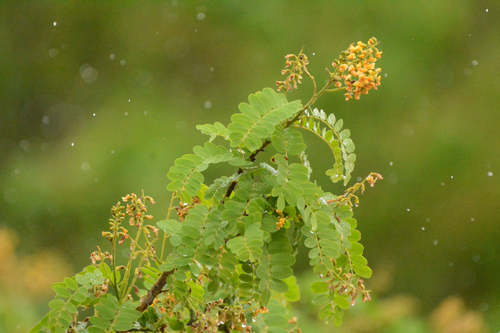
A small tree. It grows 6-12 m tall. The branches are horizontal and the crown is tall. The trunk is upright and has channels along it. It is 30-50 cm across. The leaves are alternate and compound. They are 3-6.5 cm long. There are 7-9 leaflets that are opposite. The leaflets are 1-2.5 cm long by 0.6-0.9 cm wide. The flowers are in groups 8-9 cm long in the axils of leaves. The flowers are yellow and scented. The fruit is a fleshy pod with one seed. It has thick sweet pulp.
How to Grow
The ripe fruit are harvested and put in plastic bags for a few days to soften the flesh and make it easier to remove the seed. Fresh seed should be planted and they germinate in 3-6 weeks.
Propagation: Seed - best sown as soon as it is ripe in a partially shaded position in individual containers. A germination rate in excess of 50% can usually be expected, with the seed sprouting within 20 - 40 days. Like many species within the family Fabaceae, once they have been dried for storage the seeds of this species may benefit from scarification before sowing in order to speed up and improve germination. This can usually be done by pouring a small amount of nearly boiling water on the seeds (being careful not to cook them!) and then soaking them for 12 - 24 hours in warm water. By this time they should have imbibed moisture and swollen - if they have not, then carefully make a nick in the seedcoat (being careful not to damage the embryo) and soak for a further 12 hours before sowing.
Medicinal Uses
A tea made from the leaves and young shoots is used to stimulate the flow of menses and also to treat diarrhoea. The bark is anthelmintic and purgative, but toxic in large doses.
Other Uses
The wood is thick-textured, moderately heavy, hard to cut, with moderate mechanical properties and not durable. It is used locally for general carpentry, construction of rustic furniture etc. The wood is used for fuel and to make charcoal. The plant is a natural pioneer with a moderate rate of growth, fixing atmospheric nitrogen and providing food, medicines and wood. It can be used in reforestation projects for restoring native woodland, and also for establishing woodland gardens.
Production
Plants grow at a moderate rate.
Other Information
It is eaten as a famine food when other food is scarce.