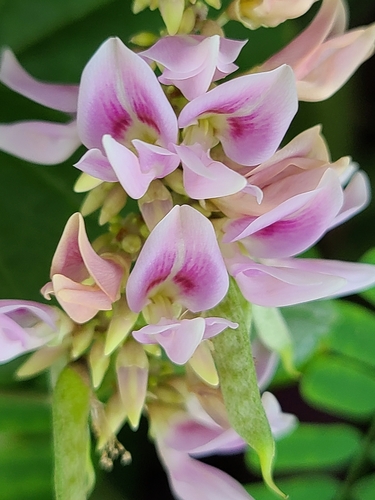
Ramorinoa girolae
Speg.
Chuca, Chica
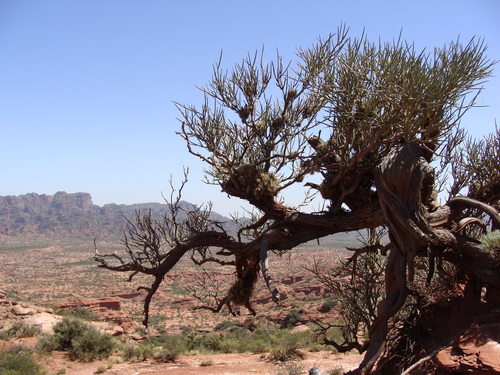
iNaturalist · cc-by-nc
(c) Nicolás García Del Castello, some rights reserved (CC BY-NC), uploaded by Nicolás García Del Castello
(c) Nicolás García Del Castello, some rights reserved (CC BY-NC), uploaded by Nicolás García Del Castello
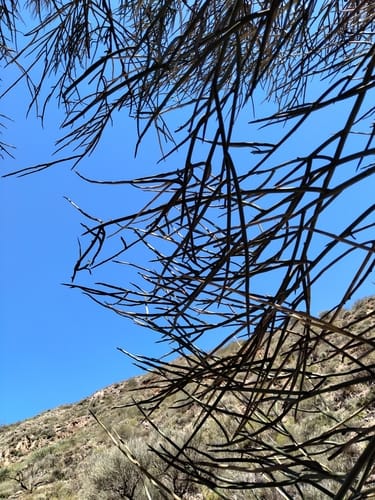
iNaturalist · cc-by-nc
(c) romanlabrousse, some rights reserved (CC BY-NC)
(c) romanlabrousse, some rights reserved (CC BY-NC)
What to Eat
Edible parts: Seed, Seeds - coffee
The seeds are roasted and eaten, or used as a coffee substitute. Seeds are notably high in protein (21.2%) and lipids.
Where to Find It
It is a temperate plant. In Argentina it grows between 1,400-2,600 m above sea level.
Argentina, South America*,
How to Identify
A spiny shrub in the Fabaceae family with very small leaves, native to temperate regions of Argentina where it grows between 1,400-2,600 m elevation.
How to Grow
Plants can be grown from seed. Seed grow better if put in warm water before planting.
Notes
The seeds are 21.2 % protein, They are also rich in lipids.
References (3)
- Burlart, A., 1952, Las Leguminosas Argentinas, Acme Agency, Buenos Aires 569 pp
- ILDIS Legumes of the World http:www:ildis.org/Legume/Web
- Luna, L. C., 2013, Ramorinoa girolae Speg (Fabaceae) seeds, an Argentinean traditional indigenous food: Nutrient composition and antioxidant activity. 2013, Journal of Food Composition and Analysis