Silene italica
(L.) Pers.
Italian catchfly
CaryophyllaceaeLeaves

iNaturalist · cc-by-nc
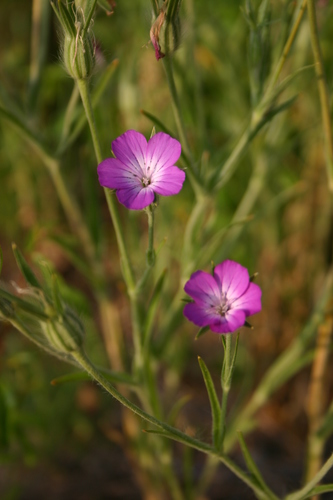
(c) Corin, some rights reserved (CC BY-NC), uploaded by Corin
(c) Corin, some rights reserved (CC BY-NC), uploaded by Corin

iNaturalist · cc-by-nc
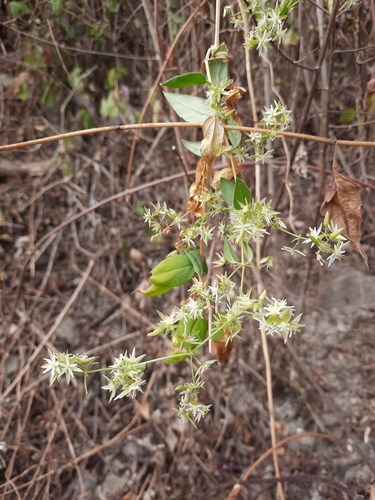
(c) Daniel Gillis, some rights reserved (CC BY-NC), uploaded by Daniel Gillis
(c) Daniel Gillis, some rights reserved (CC BY-NC), uploaded by Daniel Gillis

iNaturalist · cc-by-nc-sa
(c) Georgios Mesimeris, some rights reserved (CC BY-NC-SA), uploaded by Georgios Mesimeris
(c) Georgios Mesimeris, some rights reserved (CC BY-NC-SA), uploaded by Georgios Mesimeris
What to Eat
Edible parts: Leaves
The leaves are eaten raw in salads, used in stews, and prepared with olive oil in vegetable pies.
Where to Find It
It is a temperate plant.
Europe, Turkey, Türkiye,
Countries: Andorra, Albania, Austria, Bosnia & Herzegovina, Belgium, Bulgaria, Belarus, Switzerland, Cyprus, Czechia, Germany, Denmark, Estonia, Spain, Finland, France, United Kingdom, Greece, Croatia, Hungary, Ireland, Iceland, Italy, Liechtenstein, Lithuania, Luxembourg, Latvia, Monaco, Moldova, Montenegro, North Macedonia, Malta, Netherlands, Norway, Poland, Portugal, Romania, Serbia, Russia, Sweden, Slovenia, Slovakia, San Marino, Turkey, Ukraine
How to Identify
A temperate herb in the Caryophyllaceae family with edible leaves.
Wikipedia
Source ↗Silene italica is a species of plant native to Southern Europe and parts of Asia. It is also introduced to parts of the United States and Northern Europe. Silene italica is similar to Silene nutans and contains various subspecies.
Names & Synonyms
Kıyışayık, Nakil, Yuğuşyüreği
References (3)
- Dogan, Y., 2012, Traditionally used wild edible greens in the Aegean Region of Turkey. Acta Societatis Botanicorum Poloniae 81(4): 329-342
- Ertug, F., 2004, Wild Edible Plants of the Bodrum Area. (Mugla, Turkey). Turk. J. Bot. 28 (2004): 161-174 (As Silene cf italica)
- Ertug, F, Yenen Bitkiler. Resimli Türkiye Florası -I- Flora of Turkey - Ethnobotany supplement