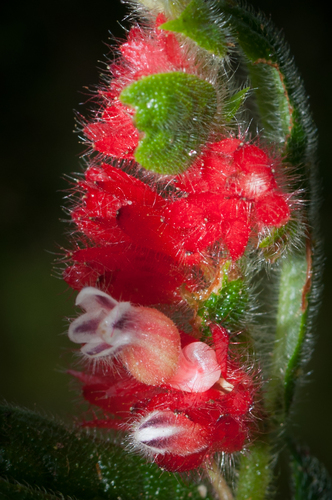
Paraboea multiflora
(R. Brown) B. L. Burtt
Yak
GesneriaceaeLeaves

gbif · cc-by
Paris, Museum National d'Histoire Naturelle, VDa
Paris, Museum National d'Histoire Naturelle, VDa

gbif · cc-by
GBIF
GBIF

gbif · cc-by
Paris, Museum National d'Histoire Naturelle, JS
Paris, Museum National d'Histoire Naturelle, JS
What to Eat
Edible parts: Leaves
Leaves are eaten.
Where to Find It
It is a subtropical plant. It grows on limestone.
Asia, Bangladesh, Bhutan, China, India, Laos, Myanmar, Northeastern India, SE Asia, Thailand, Vietnam,
Countries: United Arab Emirates, Afghanistan, Armenia, Azerbaijan, Bangladesh, Bahrain, Brunei, Bhutan, China, Georgia, Indonesia, Israel, India, Iraq, Iran, Jordan, Japan, Kyrgyzstan, Cambodia, North Korea, South Korea, Kuwait, Kazakhstan, Laos, Lebanon, Sri Lanka, Myanmar, Mongolia, Maldives, Malaysia, Nepal, Oman, Philippines, Pakistan, Qatar, Saudi Arabia, Singapore, Syria, Thailand, Tajikistan, Timor-Leste, Turkmenistan, Turkey, Taiwan, Uzbekistan, Vietnam, Yemen
How to Identify
A herb. The leaves are in a ring. There can be a rhizome or underground stem 20 cm long. The leaves are narrowly oval and unequal. They are 4-22 cm long by 3-9 cm wide. The flowering stalks are in the axils of leaves and 4-22 cm long.
Names & Synonyms
Boea multiflora R. Br.and others
References (1)
- Gangwar, A. K. & Ramakrishnan, P. S., 1990, Ethnobotanical Notes on Some Tribes of Arunachal Pradesh, Northeastern India. Economic Botany, Vol. 44, No. 1 pp. 94-105 (As Boea multiflora)