Begonia gracilis
H. B. K.
Hollyhock begonia
(c) Estefania Briones Dumas, some rights reserved (CC BY-NC), uploaded by Estefania Briones Dumas
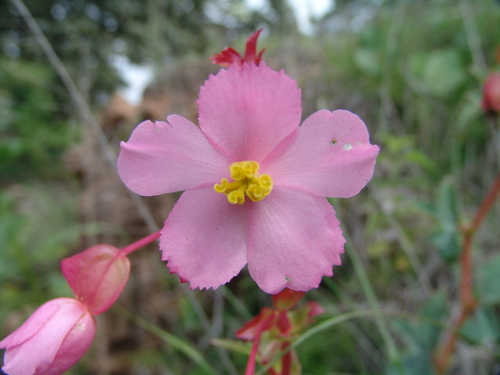
(c) Victor Quintero F., some rights reserved (CC BY-NC), uploaded by Victor Quintero F.
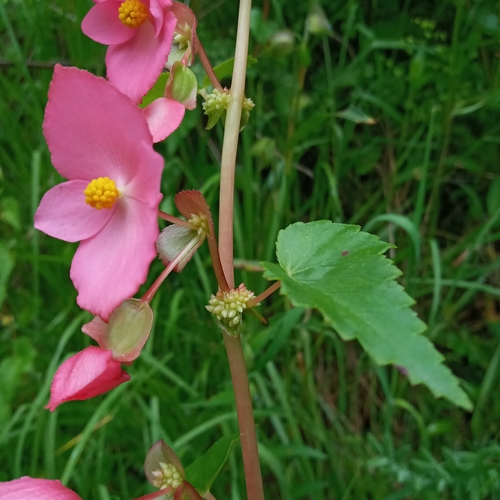
(c) rodrigodiego, some rights reserved (CC BY-NC), uploaded by rodrigodiego
What to Eat
Edible parts: Stems, Leaves
The leaves and stalks have a sour taste and are eaten with other foods. The stems are chewed especially by children, and the leaf stalks are sold in markets.
Where to Find It
It is a subtropical plant. It is best in humus-rich, moist, well-drained soil. It needs a shaded position. It is damaged by drought and frost.
Australia, Brazil*, Mexico, North America, South America,
How to Identify
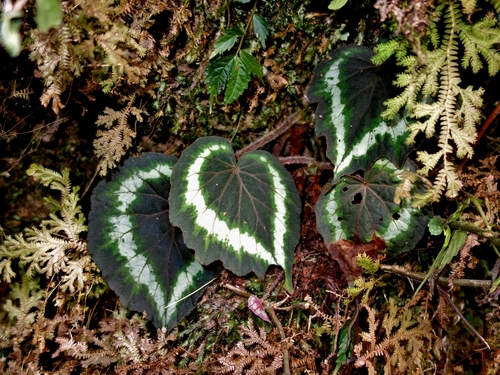
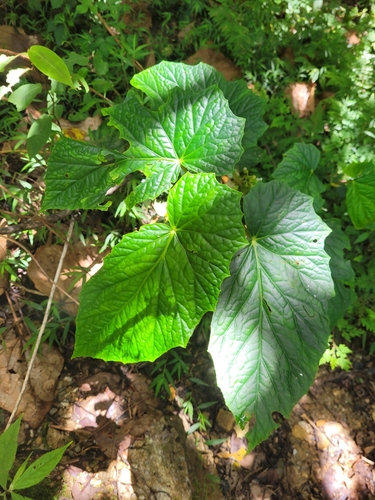
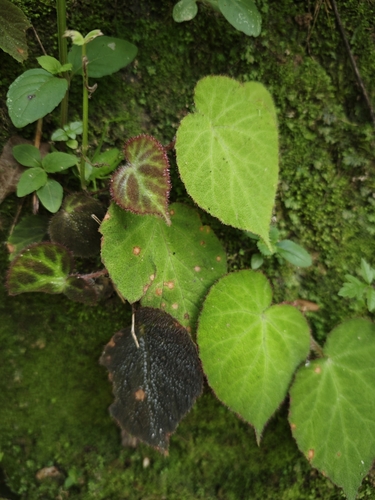
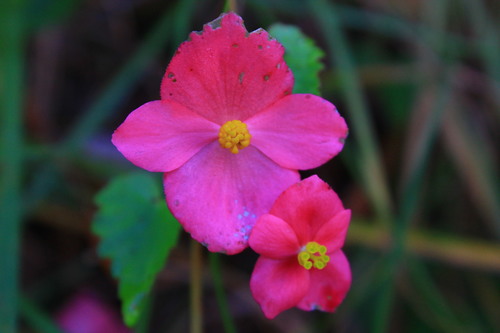
A herb that keep growing from year to year. It grows 60 cm high and 50 cm wide. The stems are green, slender and erect. They are fleshy and have few branches. The leaves are pale green and fleshy. They are round and 8 cm across. The edges are scalloped. The flowers are pink and 3 cm wide.
How to Grow
It can be grown by leaf cuttings, by seed or by tubers.
Wikipedia
Source ↗Begonia gracilis is a species of flowering plant in the family Begoniaceae. It is a small herb widespread in the mountains of Mexico, from Chihuahua to Chiapas, often growing in protected locations in shaded areas.
Other Information
The stems are chewed especially by children. The leaf stalks are sold in markets.
References (6)
- Bodkin, F., 1991, Encyclopedia Botanica. Cornstalk publishing, p 138
- Kermath, B. M., et al, 2014, Food Plants in the Americas: A survey of the domesticated, cultivated and wild plants used for Human food in North, Central and South America and the Caribbean. On line draft. p 124
- Mapes, C. & Basurto, F., 2016, Biodiversity and Edible Plants of Mexico. Chapter 5 in R. Lira, et al. (eds.), Ethnobotany of Mexico, Ethnobiology, Springer. p 114
- Laferriere, J. E., 1992, Begonias as Food and Medicine. Economic Botany, Vol. 46, No. 1, pp. 114-116
- Piedra-Malagón, E. M. et al, 2022, Edible native plants of the Gulf of Mexico Province. Biodiversity Data Journal 10: e80565 p 13
- Yetman, D., 2002, The Guarijios of the Sierra Madre: Hidden People of Northwestern Mexico. University of New Mexico Press. p 183