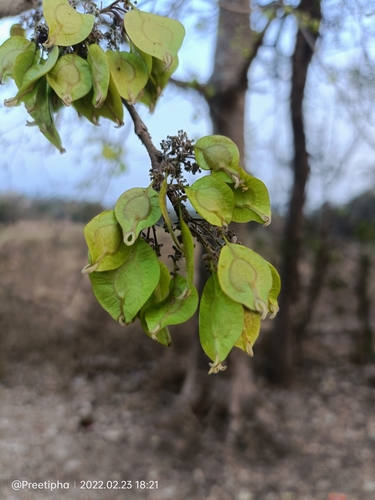
Ampelocera hottlei
(Standl.) Standl.
Guaya de monte
UlmaceaeFruit

iNaturalist · cc-by-nc
(c) Jan Meerman, some rights reserved (CC BY-NC), uploaded by Jan Meerman
(c) Jan Meerman, some rights reserved (CC BY-NC), uploaded by Jan Meerman
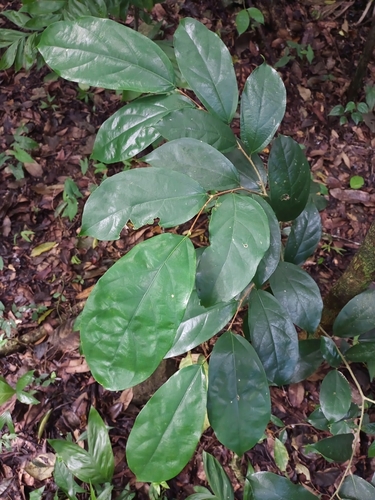
iNaturalist · cc-by-nc
(c) Saul Miguel Z, some rights reserved (CC BY-NC), uploaded by Saul Miguel Z
(c) Saul Miguel Z, some rights reserved (CC BY-NC), uploaded by Saul Miguel Z
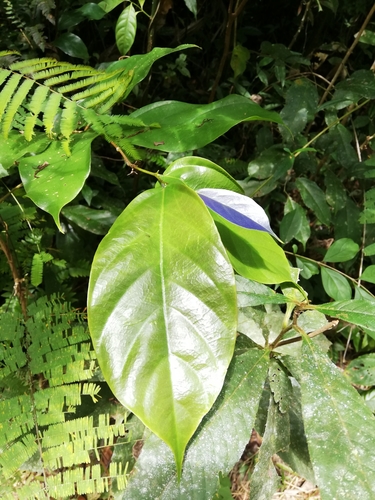
iNaturalist · cc-by-nc
(c) Siyaj Chan SC de RL de CV, some rights reserved (CC BY-NC), uploaded by Siyaj Chan SC de RL de CV
(c) Siyaj Chan SC de RL de CV, some rights reserved (CC BY-NC), uploaded by Siyaj Chan SC de RL de CV
What to Eat
Edible parts: Fruit
The fruit are eaten and sold in local markets.
Where to Find It
It is a tropical plant.
Central America, Mexico, North America, Panama,
Countries: Antigua & Barbuda, Barbados, Bahamas, Belize, Canada, Costa Rica, Cuba, Dominica, Dominican Republic, Grenada, Guatemala, Honduras, Haiti, Jamaica, St Kitts & Nevis, St Lucia, Mexico, Nicaragua, Panama, Puerto Rico, El Salvador, Trinidad & Tobago, United States, St Vincent
How to Identify
A tropical tree of the elm family (Ulmaceae) found in local markets for its edible fruit.
Wikipedia
Source ↗Ampelocera hottlei is a species of neotropical trees in the Ulmaceae family.
Other Information
The fruit are sold in local markets.
Names & Synonyms
Aguacatillo, Cautivo, Cuerillo, Frijolillo, Luin, Wayam
Celtis hottlei Standl.
References (4)
- Ibarra-Manriquez, G., et al, 1997, Useful Plants of the Los Tuxtlas Rain Forest (Veracruz, Mexico): Considerations of their Market Potential. Economic Botany, Vol. 51, No. 4, pp. 362-376
- Kermath, B. M., et al, 2014, Food Plants in the Americas: A survey of the domesticated, cultivated and wild plants used for Human food in North, Central and South America and the Caribbean. On line draft. p 56
- Piedra-Malagón, E. M., et al, 2022, Edible native plants of the Gulf of Mexico Province. Biodiversity Data Journal 10: e80565 p 31
- Segura, S., et al, 2018, The edible fruit species in Mexico. Genet Resour Crop Evol (2018) 65:1767–1793