Beta macrorhiza
Steven
AmaranthaceaeLeaves
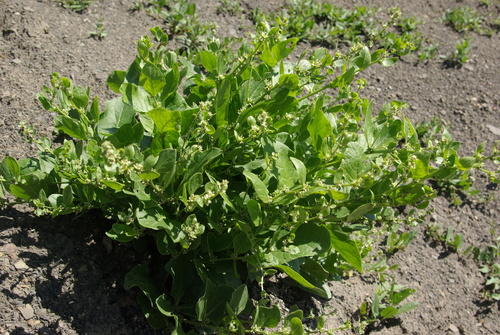
iNaturalist · cc-by-nc
(с) ramazan_murtazaliev, некоторые права защищены (CC BY-NC), загрузил ramazan_murtazaliev
(с) ramazan_murtazaliev, некоторые права защищены (CC BY-NC), загрузил ramazan_murtazaliev

iNaturalist · cc-by-nc
(c) Марина Горбунова-Ëлкина, some rights reserved (CC BY-NC)
(c) Марина Горбунова-Ëлкина, some rights reserved (CC BY-NC)

iNaturalist · cc-by-nc
(c) Марина Горбунова-Ëлкина, some rights reserved (CC BY-NC)
(c) Марина Горбунова-Ëлкина, some rights reserved (CC BY-NC)
What to Eat
Edible parts: Leaves
The leaves are eaten.
Where to Find It
It is a Mediterranean climate plant.
Caucasus, Europe, Iran, Mediterranean, Turkey, Türkiye,
Countries: Andorra, Albania, Austria, Bosnia & Herzegovina, Belgium, Bulgaria, Belarus, Switzerland, Cyprus, Czechia, Germany, Denmark, Algeria, Estonia, Egypt, Spain, Finland, France, United Kingdom, Greece, Croatia, Hungary, Ireland, Israel, Iran, Iceland, Italy, Lebanon, Liechtenstein, Lithuania, Luxembourg, Latvia, Libya, Morocco, Monaco, Moldova, Montenegro, North Macedonia, Malta, Netherlands, Norway, Poland, Portugal, Romania, Serbia, Russia, Sweden, Slovenia, Slovakia, San Marino, Syria, Tunisia, Turkey, Ukraine
How to Identify
A herb of the Amaranthaceae family adapted to Mediterranean climates and cultivated for food.
Other Information
It is cultivated.
Notes
Also put in the family Chenopodiaceae.
Names & Synonyms
Kizil pancar
References (3)
- Ertug, F., 2000, An Ethnobotanical Study in Central Anatolia (Turkey). Economic Botany Vol. 54. No. 2. pp. 155-182
- Ertug, F, Yenen Bitkiler. Resimli Türkiye Florası -I- Flora of Turkey - Ethnobotany supplement
- Rivera, D. et al, 2006, Gathered Mediterranean Food Plants - Ethnobotanical Investigations and Historical Development, in Heinrich M, Müller WE, Galli C (eds): Local Mediterranean Food Plants and Nutraceuticals. Forum Nutr. Basel, Karger, 2006, vol 59, pp 18–74