Lannea malifolia
(Chiov.) Sacleux

iNaturalist · cc-by-nc
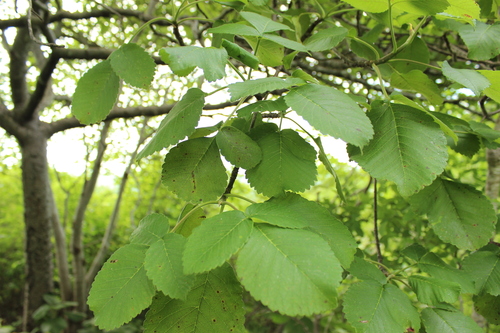
(c) Morten Ross, some rights reserved (CC BY-NC), uploaded by Morten Ross
(c) Morten Ross, some rights reserved (CC BY-NC), uploaded by Morten Ross

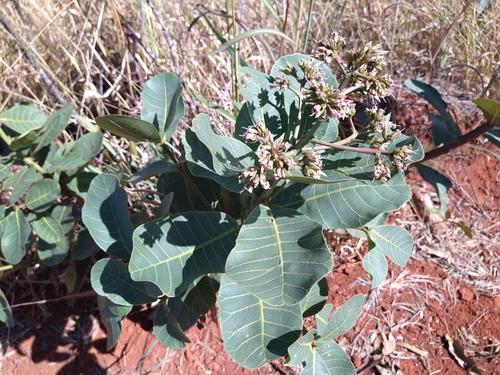
iNaturalist · cc-by
(c) Morten Ross, some rights reserved (CC BY)
(c) Morten Ross, some rights reserved (CC BY)
What to Eat
Edible parts: Fruit, Seeds
Both the fruit and seeds are eaten.
Where to Find It
It is a tropical plant. It is often on limestone rocks and in dry areas. It grows up to 1,530 m above sea level. It can grow in arid places.
Africa, East Africa, Ethiopia, Kenya, Middle East, Oman, Somalia,
Countries: United Arab Emirates, Angola, Burkina Faso, Bahrain, Burundi, Benin, Botswana, Congo (DRC), Central African Republic, Congo (Republic), Cote d'Ivoire, Cameroon, Cape Verde, Djibouti, Algeria, Egypt, Eritrea, Ethiopia, Gabon, Ghana, Gambia, Guinea, Equatorial Guinea, Guinea-Bissau, Israel, Iraq, Iran, Jordan, Kenya, Comoros, Kuwait, Lebanon, Liberia, Lesotho, Libya, Morocco, Madagascar, Mali, Mauritania, Mauritius, Malawi, Mozambique, Namibia, Niger, Nigeria, Oman, Qatar, Rwanda, Saudi Arabia, Seychelles, Sudan, Sierra Leone, Senegal, Somalia, South Sudan, Sao Tome & Principe, Syria, Eswatini, Chad, Togo, Tunisia, Tanzania, Uganda, Yemen, South Africa, Zambia, Zimbabwe
How to Identify
A tree. It grows up to 9 m high. The bark is smooth and grey. The leaves have 1-7 leaflets. The leaf stalk is 4 cm long. The leaflets are 2-8 cm long by 1-6 cm wide. They are wedge shaped or heart shaped at the base. Male and female flowers are separate. The female flowers are in spike like groups 3-11 cm long. The flowers are yellow. The fruit is fleshy and 7-9 mm long by 5-8 mm wide.
Production
In Ethiopia trees fruit in January.
Names & Synonyms
Degueiri, Guahairi, Wuh-andri
Odina malifolia Chiov.
References (4)
- Asfaw, Z. and Tadesse, M., 2001, Prospects for Sustainable Use and Development of Wild Food Plants in Ethiopia. Economic Botany, Vol. 55, No. 1, pp. 47-62
- Lulekal, E., et al, 2011, Wild edible plants in Ethiopia: a review on their potential to combat food insecurity. Afrika Focus - Vol. 24, No 2. pp 71-121
- Royal Botanic Gardens, Kew (1999). Survey of Economic Plants for Arid and Semi-Arid Lands (SEPASAL) database. Published on the Internet; http://www.rbgkew.org.uk/ceb/sepasal/internet [Accessed 25th March 2011]
- World Checklist of Useful Plant Species 2020. Royal Botanic Gardens, Kew