Rubus pringlei
Rydb.
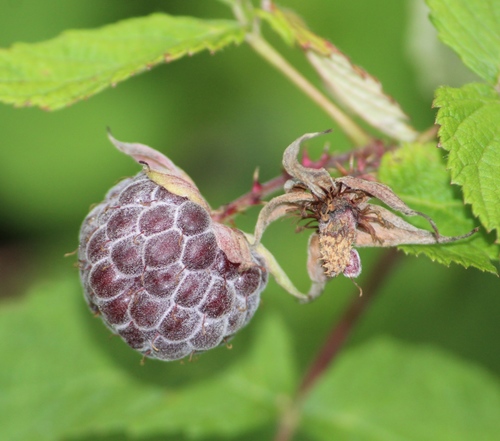
(c) Pedro Nájera Quezada, some rights reserved (CC BY-NC), uploaded by Pedro Nájera Quezada
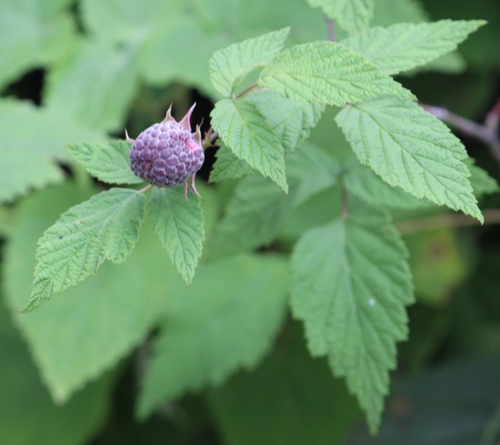
(c) Pedro Nájera Quezada, some rights reserved (CC BY-NC), uploaded by Pedro Nájera Quezada
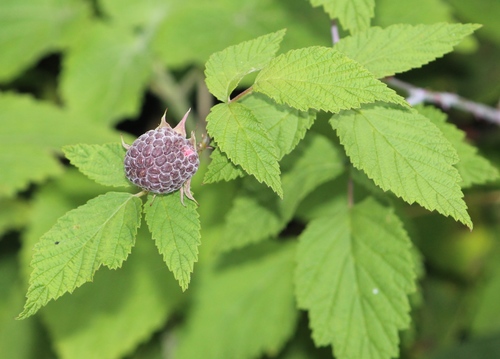
(c) Pedro Nájera Quezada, some rights reserved (CC BY-NC), uploaded by Pedro Nájera Quezada
What to Eat
Edible parts: Fruit
The fruit are eaten raw and also used to make alcoholic drinks.
Known Hazards
Dangerous Lookalikes
This plant can be confused with the following toxic species. Always verify identification carefully before consuming any wild plant.


Red Baneberry: Short herbaceous plant (no thorns), berries on thick red stems, each berry has a single seed, compound sharply-toothed leaves.
Rubus pringlei: Thorny woody canes (brambles), aggregate berry made of many drupelets, berries pull easily from receptacle.
Where to Find It
It is a subtropical plant.
Mexico, North America,
How to Identify
A subtropical shrub in the Rosaceae family native to subtropical regions.
Wikipedia
Source ↗Rubus pringlei is a Mesoamerican species of brambles in the rose family. It grows in central and southern Mexico and also in Guatemala. Rubus pringlei is hairless biennial up to 2 meters high, with curved prickles. Leaves are trifoliate. Flowers are white. Fruits are dark purple.
Names & Synonyms
Fresilla, Zarzamora
References (2)
- Marshall, E. and Newton, A. C., 2003, Non-Timber Forest Products in the Community of El Terrero, Sierra de Manantlan Biosphere Reserve, Mexico: Is Their Use Sustainable? Economic Botany 57(2):262-278
- Segura, S., et al, 2018, The edible fruit species in Mexico. Genet Resour Crop Evol (2018) 65:1767–1793
More from Rosaceae


