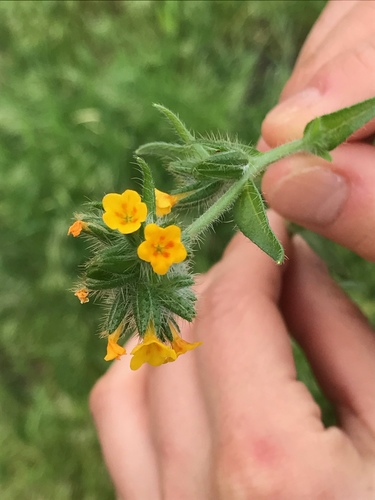
Varronia macrocephala
Desv.
Lera lera
BoraginaceaeFruit

iNaturalist · cc-by-nc
(c) Aurelio Molina Hernández., some rights reserved (CC BY-NC), uploaded by Aurelio Molina Hernández.
(c) Aurelio Molina Hernández., some rights reserved (CC BY-NC), uploaded by Aurelio Molina Hernández.
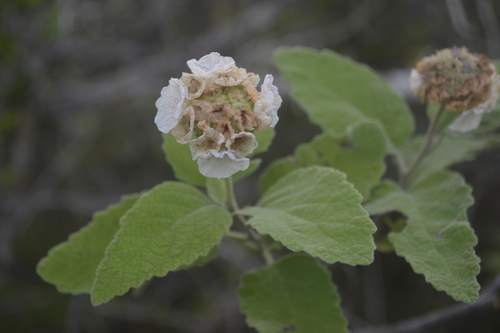
iNaturalist · cc-by-nc
(c) Manuel Guillermo Millán Otero, some rights reserved (CC BY-NC), uploaded by Manuel Guillermo Millán Otero
(c) Manuel Guillermo Millán Otero, some rights reserved (CC BY-NC), uploaded by Manuel Guillermo Millán Otero

iNaturalist · cc-by-nc
(c) Aurelio Molina Hernández., some rights reserved (CC BY-NC), uploaded by Aurelio Molina Hernández.
(c) Aurelio Molina Hernández., some rights reserved (CC BY-NC), uploaded by Aurelio Molina Hernández.
What to Eat
Edible parts: Fruit
Fruit - raw. We have seen no further specific information for this species. The fruits of most Cordia (Varronia) species are comprised of a thin to fairly thick layer of pulpy, sweetish-tasting flesh surrounding a single seed and are more or less edible, (though some are known to cause gastric disturbances).
Where to Find It
It is a tropical plant.
Ecuador, Nicaragua, Peru, South America,
How to Identify
A tropical shrub or tree in the Boraginaceae family.
Medicinal Uses
An infusion of the flowers is used as a carminative.
Other Uses
The wood is used for construction. The wood is used for fuel.
Names & Synonyms
Cordia macrocephala KunthCordia polyantha Benth.Cordia pringlei B. L. Rob.and several others
References (2)
- Torre, de la, L., et al, 2008, Enciclopedia de las Plantas Útiles del Ecuador. Herbario QCA. Pontificia Universidad Católica del Ecuador. p 254 (As Cordia polyantha)
- Van den Eynden, V., et al, 2003, Wild Foods from South Ecuador. Economic Botany 57(4): 576-603 (As Cordia polyantha)