Opuntia quitensis
F. A. C. Walker
Penco, Tunilla

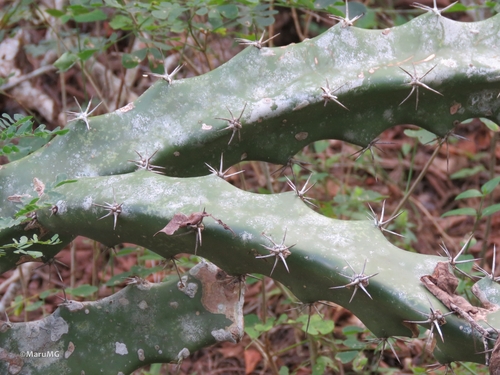
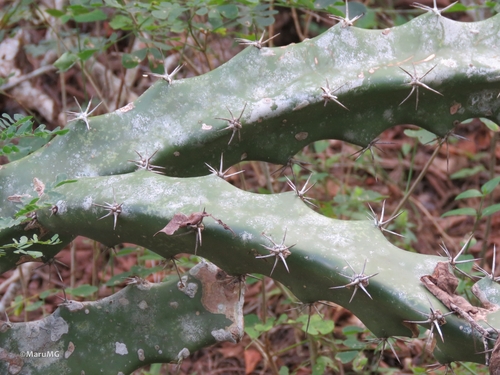
(c) Dick Culbert, some rights reserved (CC BY)
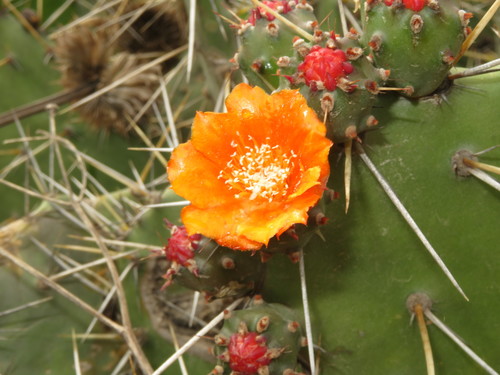
(c) Rob Westerduijn, some rights reserved (CC BY-NC), uploaded by Rob Westerduijn

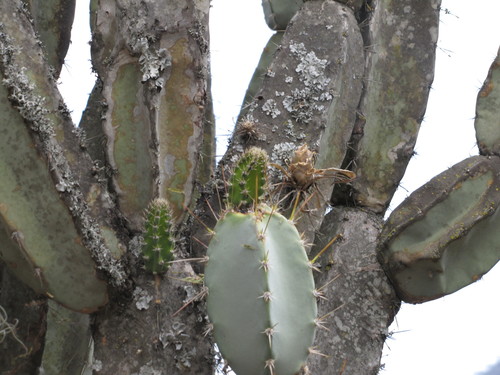
(c) Jeffdelonge, some rights reserved (CC BY-SA)
What to Eat
Edible parts: Fruit
Fruit - raw. The barrel shaped, deeply umbilicate, brownish green with reddish tint fruits are 25 - 40mm long and 20 - 40mm in diameter. The tender young stem segments of various species are often cooked as a vegetable. Known as ‘nopals’ in Mexico, where they are a common ingredient in numerous dishes, they can be eaten raw or cooked, used in marmalades, soups, stews and salads. The most commonly used species are Opuntia ficus-indica or Opuntia hyptiacantha (syn Opuntia matudae), although the stems of almost all Opuntia species are edible.
Known Hazards
Where to Find It
It is a tropical plant.
Colombia, Ecuador, South America,
How to Identify
A cactus of the Cactaceae family found in tropical regions.
How to Grow
The flowers are functionally unisexual; both male and female flowering forms will need to be grown if fruit and seed are required.
Medicinal Uses
We have no specific information on medicinal uses for this species, but the following notes are likely to apply universally to Opuntia species and other related genera. The flesh of tender young stem segments can be applied as a poultice to reduce inflammation. The mucilage and soluble fibre found in the flowers and stem segments have been shown to help control blood-sugar levels associated with adult-onset diabetes. There is clinical evidence that the soluble fibre in the stem segments helps reduce blood cholesterol levels.
Other Uses
The plant is used to creat living fences for dividing patches of land and providing a stock-proof barrier.
Wikipedia
Source ↗Opuntia quitensis is a species of cactus found in Peru and Ecuador.
Names & Synonyms
Penco, Tuna blanca, Tunilla
References (4)
- Kew Plants of the World onLine
- Roa, J. A. G. & Boada, D. S. G., 2018, Fundación para el Fortalecimiento de la Fruticultura y Plantas Alimenticias no Convencionales en Colombia.
- Torre, de la, L., et al, 2008, Enciclopedia de las Plantas Útiles del Ecuador. Herbario QCA. Pontificia Universidad Católica del Ecuador. p 268
- Van den Eynden, V., et al, 2003, Wild Foods from South Ecuador. Economic Botany 57(4): 576-603