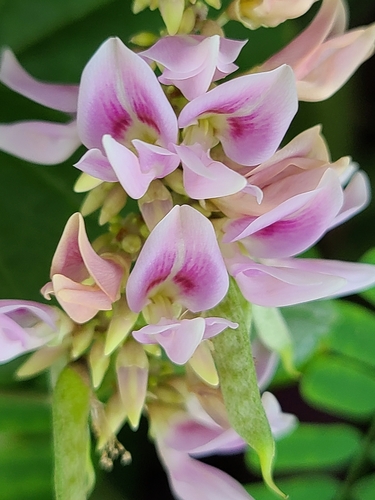
Inga acreana
Harms
Sampi, Acre inga
FabaceaeFruit

iNaturalist · cc-by-nc
(c) Carlos Felipe Quiñonez-Necpas, some rights reserved (CC BY-NC), uploaded by Carlos Felipe Quiñonez-Necpas
(c) Carlos Felipe Quiñonez-Necpas, some rights reserved (CC BY-NC), uploaded by Carlos Felipe Quiñonez-Necpas

iNaturalist · cc-by-nc
(c) brian_nz, some rights reserved (CC BY-NC), uploaded by brian_nz
(c) brian_nz, some rights reserved (CC BY-NC), uploaded by brian_nz

iNaturalist · cc-by-nc
(c) Lee Ormsby, some rights reserved (CC BY-NC), uploaded by Lee Ormsby
(c) Lee Ormsby, some rights reserved (CC BY-NC), uploaded by Lee Ormsby
What to Eat
Edible parts: Fruit - aril
The white aril (pulp) surrounding the seeds in the fruit is eaten raw.
Where to Find It
It is a tropical plant.
Amazon, Bolivia, Brazil, Colombia, Ecuador, French Guiana, Guianas, Peru, South America, Suriname, Venezuela,
How to Identify
A tree. The leaves have leaflets along the stalk. The flowers are white. They are in congested spikes. The fruit is a long pod. It has raised edges. There is a white pulp around the seeds.
How to Grow
Plants grow easily from seeds. Seeds germinate in 1-2 weeks given moisture and shade.
Other Information
The fruit are popular.
Notes
Also as Mimosaceae.
Names & Synonyms
Aganawe, Guaba de lluvia, Guabillo, Mimontan, Pahihi, Quini'co fino, Sampi, Unijinga fino, Wewe
Inga myriocephala Pittier
References (8)
- Grandtner, M. M. & Chevrette, J., 2013, Dictionary of Trees, Volume 2: South America: Nomenclature, Taxonomy and Ecology. Academic Press p 318
- Lopez-Diago, D. & Garcia, N., 2021, Wild edible fruits of Colombia. Biota ColomBiana 22 (2) p 37
- Philips, O., 1992, The potential for harvesting fruits in tropical rainforests: new data from Amazonian Peru. Biodiversity and Conservation 2, 18-38
- Roa, J. A. G. & Boada, D. S. G., 2018, Fundación para el Fortalecimiento de la Fruticultura y Plantas Alimenticias no Convencionales en Colombia.
- Torre, de la, L., et al, 2008, Enciclopedia de las Plantas Útiles del Ecuador. Herbario QCA. Pontificia Universidad Católica del Ecuador. p 341
- Van den Eynden, V., et al, 2003, Wild Foods from South Ecuador. Economic Botany 57(4): 576-603
- van Andel, T., 2000, Useful plants of Guyana. Non-Timber Forest Products of the North-West District of Guyana Part 2. p 367
- www.proyanomami.org