Inga multicaulis
Benth.
Guabilla, Manystemmed inga
FabaceaeFruit
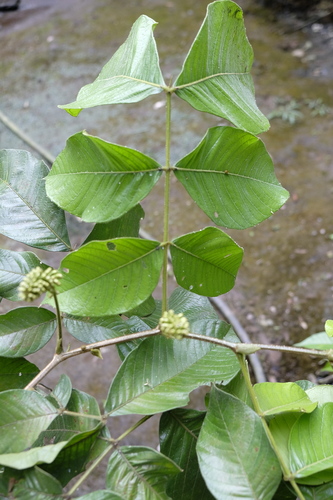
iNaturalist · cc-by-nc
(c) Nicanor Mejía, some rights reserved (CC BY-NC), uploaded by Nicanor Mejía
(c) Nicanor Mejía, some rights reserved (CC BY-NC), uploaded by Nicanor Mejía

iNaturalist · cc-by
(c) B. Phalan, some rights reserved (CC BY), uploaded by B. Phalan
(c) B. Phalan, some rights reserved (CC BY), uploaded by B. Phalan

iNaturalist · cc-by-nc
(c) Leonardo Álvarez-Alcázar, some rights reserved (CC BY-NC), uploaded by Leonardo Álvarez-Alcázar
(c) Leonardo Álvarez-Alcázar, some rights reserved (CC BY-NC), uploaded by Leonardo Álvarez-Alcázar
What to Eat
Edible parts: Fruit - aril, Pod pulp
The aril (fleshy layer around the seeds) and pod pulp are eaten raw.
Where to Find It
It is a tropical plant.
Andes, Ecuador, Peru, South America,
How to Identify
A tropical tree producing long seed pods. It grows readily from fresh seeds, which germinate within 1-2 weeks under moist, shaded conditions.
How to Grow
Plants grow easily from fresh seeds. Seeds germinate in 1-2 weeks given moisture and shade.
Wikipedia
Source ↗Inga multicaulis is a species of plant in the family Fabaceae. It is found only in Ecuador. Its natural habitats are subtropical or tropical moist lowland forests and subtropical or tropical moist montane forests.
Notes
Also as Mimosaceae.
Names & Synonyms
Guaba de monte, Guabilla, Machetona, Pinul, Pinul ainki
Feuilleea multicaulis (Spruce ex Benth.) KuntzeInga balaensis PittierInga rhabdotocalyx Harms
References (3)
- Grandtner, M. M. & Chevrette, J., 2013, Dictionary of Trees, Volume 2: South America: Nomenclature, Taxonomy and Ecology. Academic Press p 323
- Torre, de la, L., et al, 2008, Enciclopedia de las Plantas Útiles del Ecuador. Herbario QCA. Pontificia Universidad Católica del Ecuador. p 345
- Van den Eynden, V., et al, 2003, Wild Foods from South Ecuador. Economic Botany 57(4): 576-603




