Pouteria brevipetiolata
T. D. Penn.
Chiche

iNaturalist · cc-by-nc
(c) Tatyana Zarubo, some rights reserved (CC BY-NC), uploaded by Tatyana Zarubo
(c) Tatyana Zarubo, some rights reserved (CC BY-NC), uploaded by Tatyana Zarubo

gbif · cc-by
Royal Botanic Gardens, Kew
Royal Botanic Gardens, Kew

iNaturalist · cc-by-nc
(c) Tatyana Zarubo, some rights reserved (CC BY-NC), uploaded by Tatyana Zarubo
(c) Tatyana Zarubo, some rights reserved (CC BY-NC), uploaded by Tatyana Zarubo

wikimedia · cc-by-sa
Wikimedia Commons (via Wikimedia Commons)
Wikimedia Commons (via Wikimedia Commons)
What to Eat
Edible parts: Fruit
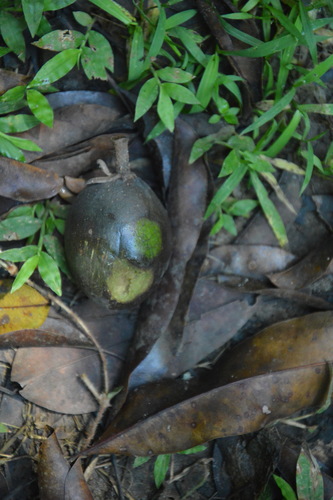
The fruit are eaten raw.
Known Hazards
Where to Find It
It is a tropical plant. It occurs at about 800 m above sea level.
Ecuador*, South America,
How to Identify
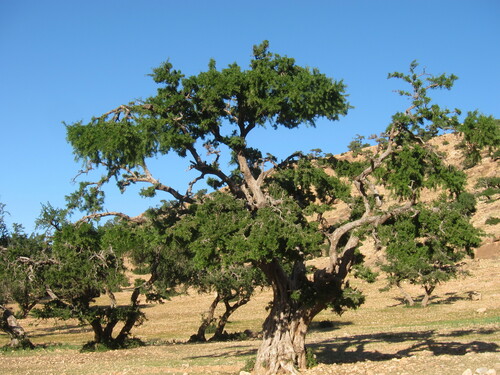
A tree. It grows 10 m tall. The trunk is 20 cm across. It is fluted. Young shoots are hairy at first. The leaves are densely clustered They are arranged in spirals. The leaves are 9-13 cm long by 4-6 cm wide. The flowers are in groups in the axils of leaves. They are pale green and have sight scent.
Wikipedia
Source ↗Pouteria brevipetiolata is a species of plant in the family Sapotaceae. It is endemic to Ecuador.
Notes
It is an at risk species.
Names & Synonyms
Chiche
References (2)
- Torre, de la, L., et al, 2008, Enciclopedia de las Plantas Útiles del Ecuador. Herbario QCA. Pontificia Universidad Católica del Ecuador. p 571
- Van den Eynden, V., et al, 2003, Wild Foods from South Ecuador. Economic Botany 57(4): 576-603