Berberis iliensis
M. Pop.
Illiyskei barberry
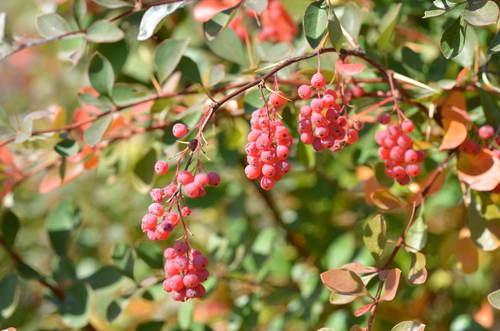
iNaturalist · cc-by-nc
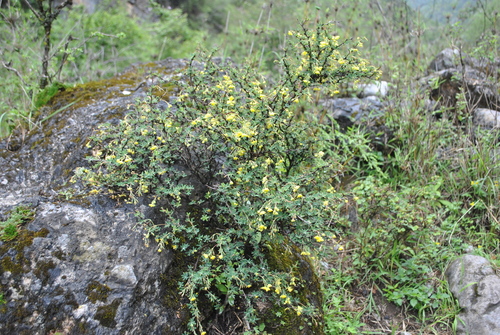
(c) Pavel Gorbunov, some rights reserved (CC BY-NC), uploaded by Pavel Gorbunov
(c) Pavel Gorbunov, some rights reserved (CC BY-NC), uploaded by Pavel Gorbunov

iNaturalist · cc-by
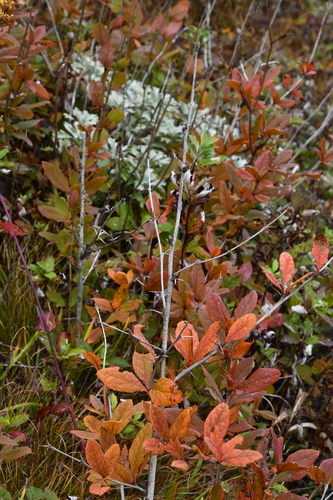
(c) Alexander Dubynin, some rights reserved (CC BY), uploaded by Alexander Dubynin
(c) Alexander Dubynin, some rights reserved (CC BY), uploaded by Alexander Dubynin

iNaturalist · cc-by-nc
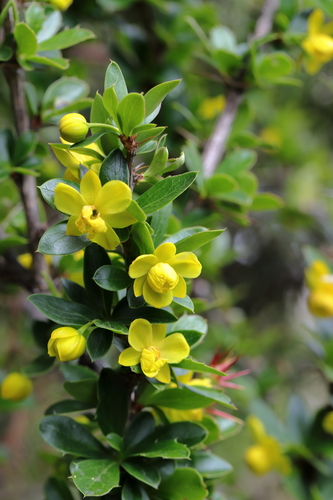
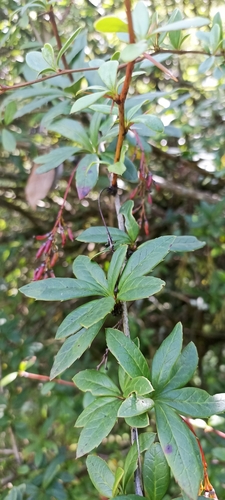
(c) Alex, some rights reserved (CC BY-NC)
(c) Alex, some rights reserved (CC BY-NC)
What to Eat
Edible parts: Fruit
The fruit are edible and can be eaten fresh.
Known Hazards
Where to Find It
It is a temperate plant. In Kazakhstan it grows on pebbles of river terraces. It can grow in sandy and salty soils. In western China it grows in dry regions and sandy places near rivers between 600-2,000 m above sea level.
Asia, Central Asia, China, Kazakhstan,
Countries: United Arab Emirates, Afghanistan, Armenia, Azerbaijan, Bangladesh, Bahrain, Brunei, Bhutan, China, Georgia, Indonesia, Israel, India, Iraq, Iran, Jordan, Japan, Kyrgyzstan, Cambodia, North Korea, South Korea, Kuwait, Kazakhstan, Laos, Lebanon, Sri Lanka, Myanmar, Mongolia, Maldives, Malaysia, Nepal, Oman, Philippines, Pakistan, Qatar, Saudi Arabia, Singapore, Syria, Thailand, Tajikistan, Timor-Leste, Turkmenistan, Turkey, Taiwan, Uzbekistan, Vietnam, Yemen
How to Identify
A thorny shrub. It grows 2-3 m high. The thorny annual shoots are reddish-brown. The leaves and oblong and leathery. They can have lobes. The flowers are in large groups of yellow flowers. The flowers are 3-4 mm across. The fruit are light red berries. They are 6-7 mm long and 3-4 mm wide.
Notes
It is a threatened species.
References (2)
- Dzhangaliev, A. D., et al, 2003, The Wild Fruit and Nut Plants of Kazakhstan, Horticultural Reviews, Vol. 29. pp 305-371
- Eastwood, A., et al, 2009. The Red List of Trees of Central Asia. Fauna & Flora International. p 12